
Eemland, the Netherlands: a haven for migratory birds and peatland restoration
-
Biodiversity - Flyways
By Szabolcs Nagy, Biodiversity Manager
The World Migratory Bird Day (WMBD) is celebrated worldwide each May to highlight the incredible journeys of migratory birds and the places they depend on along their flyways. It is a moment to connect global conservation efforts with local action on the ground, in the wetlands, grasslands and peatlands that sustain migratory birds throughout their annual cycles.
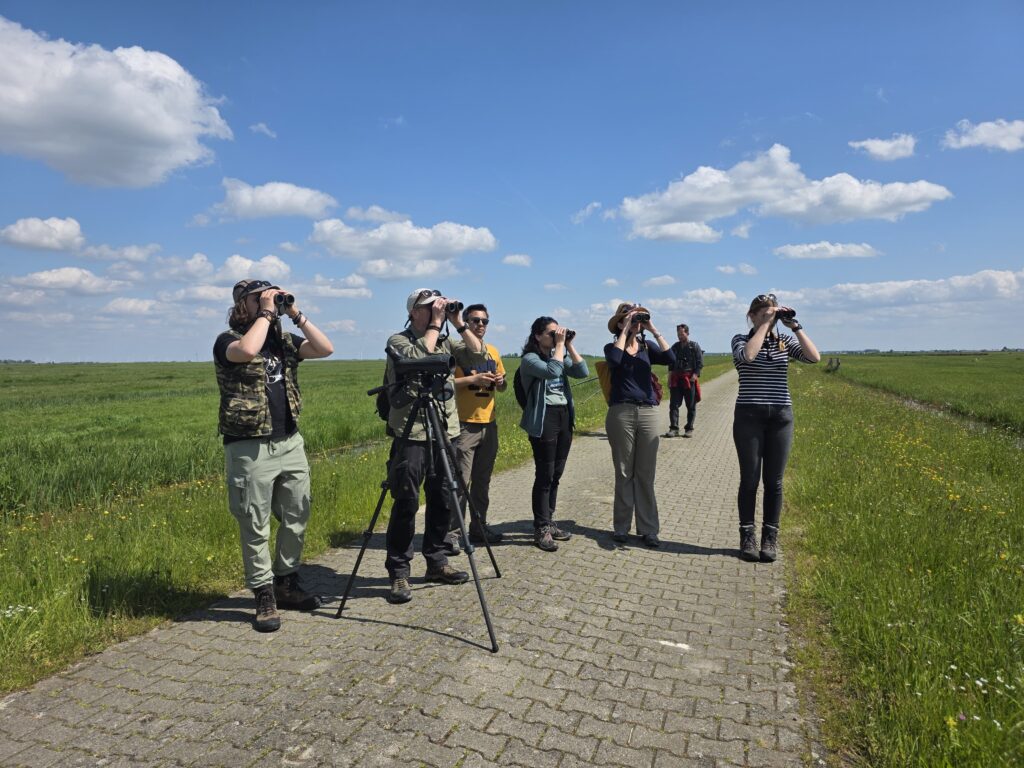
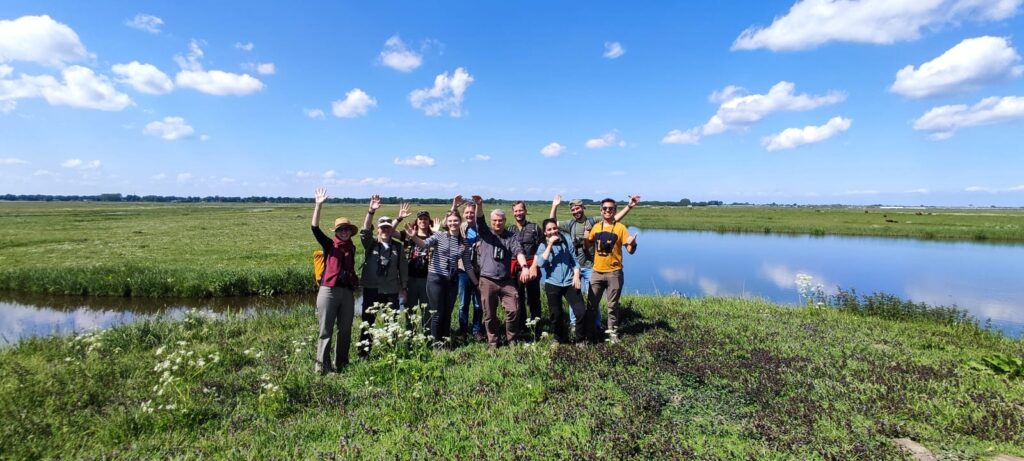
On 9 May, teams from Wetlands International Europe and Global Office marked World Migratory Bird Day with a field visit to the Eemland site in the Netherlands, managed by Natuurmonumenten, the largest nature conservation NGO in the Netherlands.
Eemland provides vital breeding habitat for iconic meadow bird species such as the Common Redshank, Black-tailed Godwit, Eurasian Oystercatcher and Northern Lapwing, the last three are all listed as Near Threatened species on the global Red List of IUCN. These species are not only emblematic of the Dutch landscape; they are also key species counted under the International Waterbird Census (IWC), the world’s largest and longest-running waterbird monitoring programme coordinated by Wetlands International. Their breeding populations are also closely followed through breeding bird monitoring programmes such as the Pan-European Common Bird Monitoring Scheme coordinated by the European Bird Census Council, providing crucial data to track population trends at the level of sites, countries and populations, assess conservation success and guide future action along migratory flyways. Thus, these species perfectly illustrate this year’s theme for the World Migratory Bird Day: Every Bird Count – Your Observations Matter!
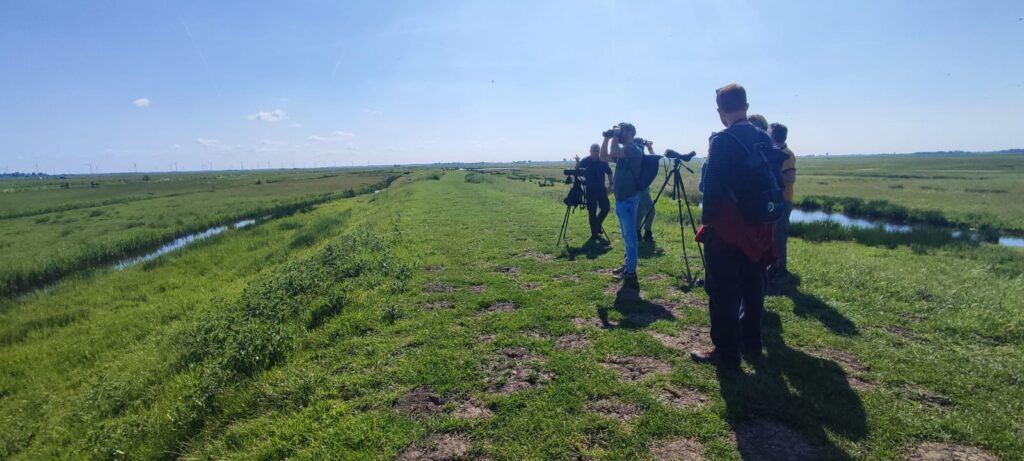
The visit highlighted how carefully planned land and water management can achieve multiple objectives at the same time: restoring biodiversity and reducing carbon emissions. Open landscapes are essential for the meadow birds: tall or obstructive vegetation is mown or grazed at the end of the growing season so that returning birds can settle in optimal conditions where they can see predators coming. In spring and summer, high water levels are maintained using pumps and sluices. This brings soil invertebrates closer to the surface, making food abundant and easy to find. At the same time, the land is kept dry enough in places to allow birds to build secure nests, striking a delicate balance that meadow birds depend on. Crucially, this is achieved in partnership with local farmers who lease the land. They agree on management measures with Natuurmonumenten that support birds while keeping agriculture viable. Their shared pride is tangible: in Eemland, the sound of calling meadow birds still fills the air, and their chicks roam amongst the grass, something that brings joy to everyone who works and lives there or just visit the area.
Eemland is also a prime example of how well-designed peatland restoration supports biodiversity conservation. Restored, wetter peat soils help reduce carbon emissions while simultaneously creating ideal conditions for meadow birds, demonstrating how climate action and species conservation can reinforce each other.
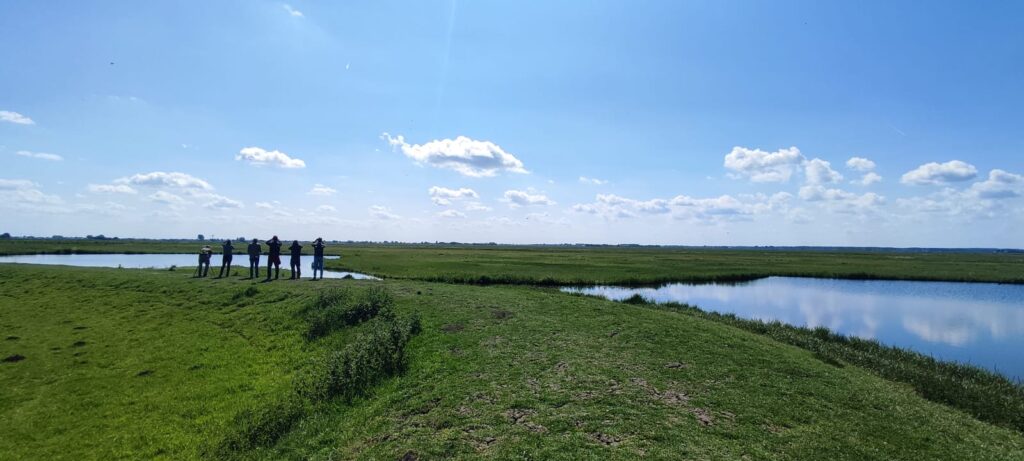
On World Migratory Bird Day, the visit to Eemland reminded us how our activities in the Climate Resilient East Atlantic Flyway complement the activities of other organisations. Protecting and restoring places like Eemland ensures that when birds arrive, they still find food, water, space and safety.