

The path towards Natura 2000 Day, and what still lies ahead
-
Advocacy
-
Biodiversity - Flyways
-
Biodiversity - Swimways
On 21 May, we celebrate Natura 2000 Day, honoring a network that safeguards 27,000 sites across Europe. It stands as one of the world’s largest protected area systems. This achievement is not just government action, but the culmination of decades of fieldwork by conservation organisations like ours.
The International Waterfowl & Wetlands Research Bureau (IWRB), now Wetlands International, began wetland monitoring in 1954. The International Waterbird Census (IWC), launched in 1967, has become one of the world’s longest-running biodiversity monitoring programs. It has tracked migratory waterbird populations for 60 years along their flyways. These efforts to document waterbird populations and their habitats shaped the creation of Special Protection Areas under the EU Birds Directive (1979) and later, Natura 2000 sites. The first inventory of Important Bird Areas (IBAs), which provided the scientific foundation for site selection, was produced by the IWRB and the International Council for Bird Preservation (ICBP, now BirdLife International). The European Court of Justice recognised IBA inventories as the gold standard for designating bird Natura 2000 sites. This has led to nearly 47 million hectares of IBAs now protected within the network.
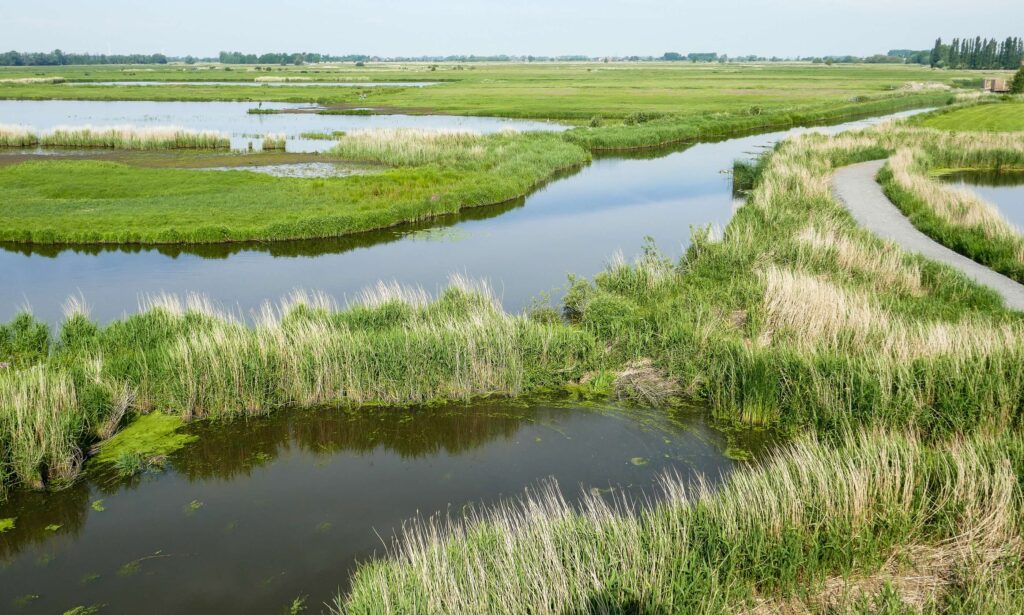
NGOs have always been vigilant guardians and hands-on partners in the protection of the Natura 2000 Network. They assembled “shadow lists” of overlooked sites, joined biogeographic seminars with the European Commission, and contributed technical expertise to “appropriate assessments” required in the case of projects and plans affecting Natura 2000 sites. When governments failed to protect these sites, NGOs filed official complaints, prompting the Commission to hold Member States accountable before the European Court of Justice. Environmental organisations led LIFE projects for safeguarding and restoring Natura sites, launched awareness campaigns, and trained officials in newer EU member states. The IWC continues to provide vital signals that guide wetland management decisions across Natura 2000 sites.
Yet, after decades of hard-won conservation progress, we now face serious political threats.
In December 2025, the second Von der Leyen Commission unveiled the Environmental Omnibus proposal, not only reversing the Green Deal launched by her previous Commission but also putting the Birds and Habitats Directives, the backbone of the Natura 2000 Network, under a “stress test.” Despite the ongoing biodiversity crisis, the public consultation is alarmingly focused on stripping away vital safeguards, instead of urgently focusing on addressing the protection of the ever-growing list of threatened and near-threatened species in Europe.
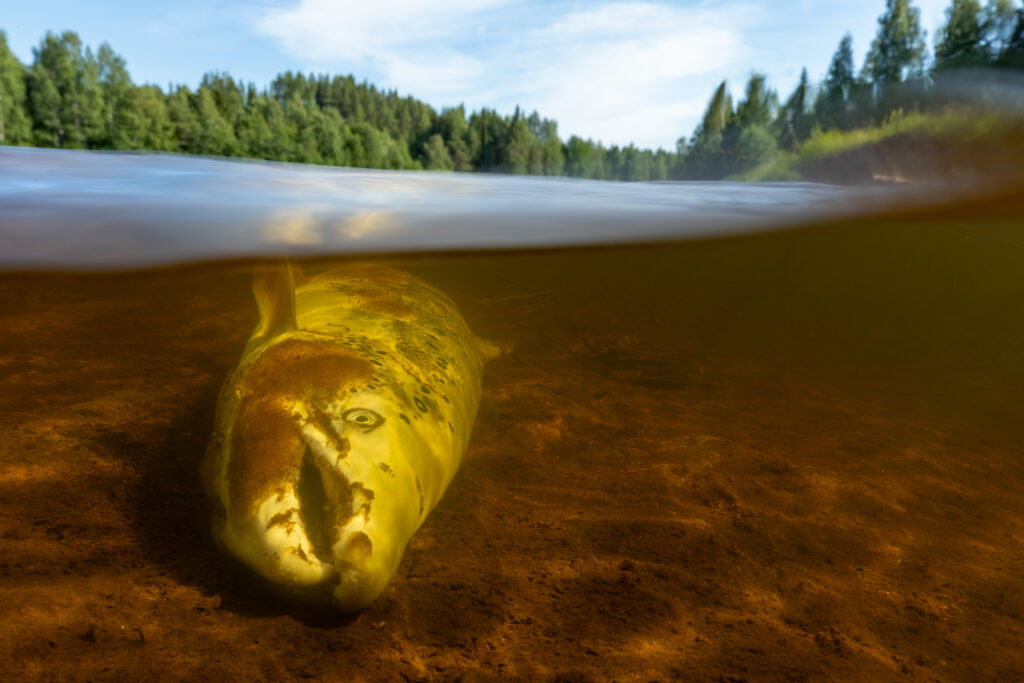
Today, nearly two-thirds of Europe’s freshwater fish are already on the brink of extinction. About half of the species listed as huntable species in the Birds Directive are also declining. Many of them are now even globally threatened or near threatened. Another proposal would erode the complementary protections afforded by the Water Framework Directive for freshwater Natura 2000 sites.
In the meantime, an earlier initiative has already opened the door for renewable energy projects to bypass environmental safeguards entirely. The future of LIFE funding and support for the Nature Restoration Regulation is now seriously in jeopardy as budget negotiations unfold. If adopted, these dangerous changes could devastate multi-country coordinated flyway projects, which are vital for the survival and recovery of migratory birds.
We still agree with President von der Leyen 2020 statement: “We want to halt and reverse biodiversity loss and ecosystem degradation. We must do so for our prosperity and for our health.” On this Natura 2000 Day, we urge everyone to stand up for stronger protection of our nature and the legal instruments that are proven to be effective in protecting it.