

RestauraRíos 2026: a milestone for european river restoration
RestauraRíos 2026 highlighted the growing importance of international cooperation and floodplain restoration to meet Europe’s ecological and climate resilience goals.
The fifth edition of the RestauraRíos Congress, held in Soria from 10 to 12 June 2026, brought together over 450 participants and 170 speakers to address the urgent challenges of river restoration in a context of global change. Organised by the Duero Hydrographic Confederation (CHD) and CIREF, in collaboration with Wetlands International Europe and the Spanish Ministry for the ecological transition and demographic challenge (MITECO), the event served as a critical space for reflection on new European regulatory requirements and the potential risks of deregulation.
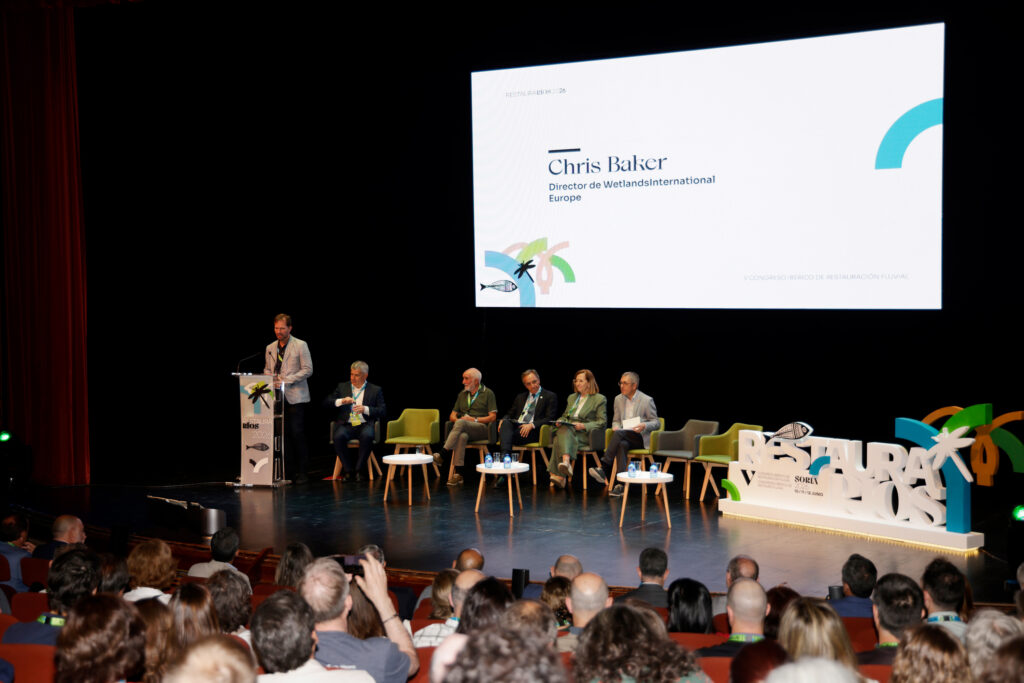
The congress highlighted a significant evolution in river management since its first edition, with a diverse assembly of planning experts, researchers and public administration representatives from Spain and Portugal. Throughout the three days, the event reinforced the importance of cross-border cooperation and international exchange in achieving the EU’s ecological restoration goals.
A central conclusion emerged: the river and its floodplain must be prioritised as essential spaces for safety and resilience.
Re-Sponging Iberia: creating flood and drought-resilient landscapes
Wetlands International Europe, in partnership with CIREF, led a specialised workshop titled “Re-Sponging Iberia”. Facilitated by Paul Brotherton (Wetlands International Europe) and Aniela Stachnik (CIREF), this session focused on nature-based solutions to restore the landscape’s natural “sponge” capacity. By revitalising floodplains and wetlands, the workshop explored how to mitigate the dual threats of intensifying floods and prolonged droughts, ensuring that Iberian landscapes remain resilient under a changing climate.
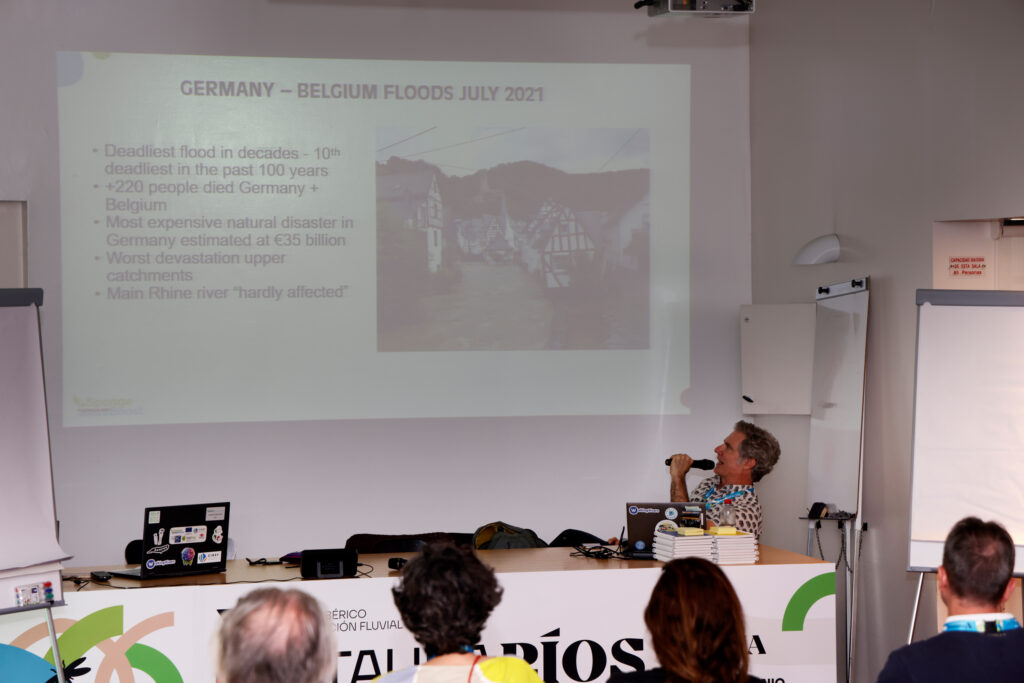
The workshop brought together a diverse group of researchers and public administration representatives to share inspirations and address the practical challenges of meeting new European regulatory requirements, such as those set out in the Nature Restoration Regulation. Against a backdrop of potential deregulation risks, the “Re-Sponging” initiative underscored the urgent need for a unified European vision–grounded in EU laws that unite ecosystems–to secure water resilience across the peninsula.
Rios sem Fronteiras: stress-testing transboundary governance
In the workshop “Rios sem Fronteiras” (Rivers without Borders), Irene Duque (Wetlands International Europe) collaborated with CIREF to host a participatory session on transboundary river governance. The space was used to stress-test a pioneering River Contract being scoped for the Tourones river, a key tributary in the Douro transboundary basin.
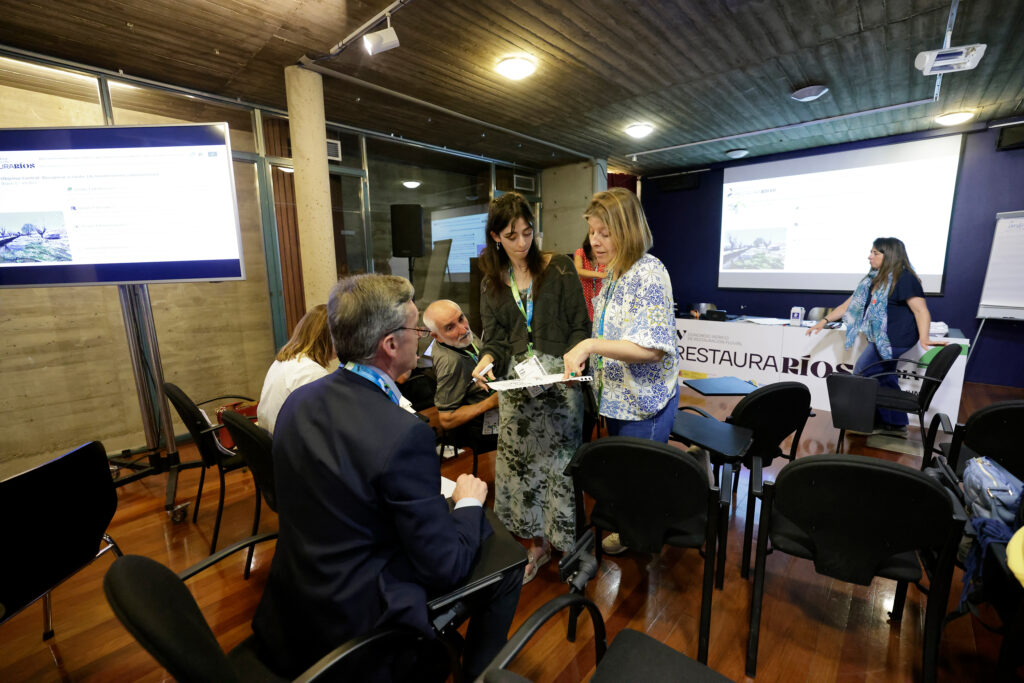
This pilot project aims to protect the Achondrostoma salmantium, an endangered endemic species, through a voluntary yet multilaterally binding governance instrument. Representatives from various levels of administration in both Spain and Portugal attended the session, working together to establish the concrete steps forward for this transboundary collaboration.
A platform for innovation and technical exchange
Beyond high-level policy, RestauraRíos 2026 hosted 166 technical presentations covering the removal of river barriers, hydraulic modelling, bioengineering and monitoring via environmental DNA.
The “River Pitch” format proved particularly dynamic, allowing for rapid-fire exchange on innovative projects such as dam removals, meander recovery and climate adaptation strategies. Participants also visited field sites on the Ucero and Abión rivers to see lateral connectivity and weir removal projects first-hand.
Specialised roundtables tackled the complexities of urban river restoration, water governance and environmental communication . Experts shared lessons on adapting territories to increasing climatic extremes, including recovery strategies following severe weather events like “DANA” storms. These discussions underscored that effective restoration must be based on solid planning that respects natural river processes and timeframes.
Securing the future: social acceptance and stable funding
As the congress drew to a close, one message was clear: river restoration will only go so far without public support. Better communication and a stronger effort to tackle misinformation will be essential if the sector is to keep moving forward.
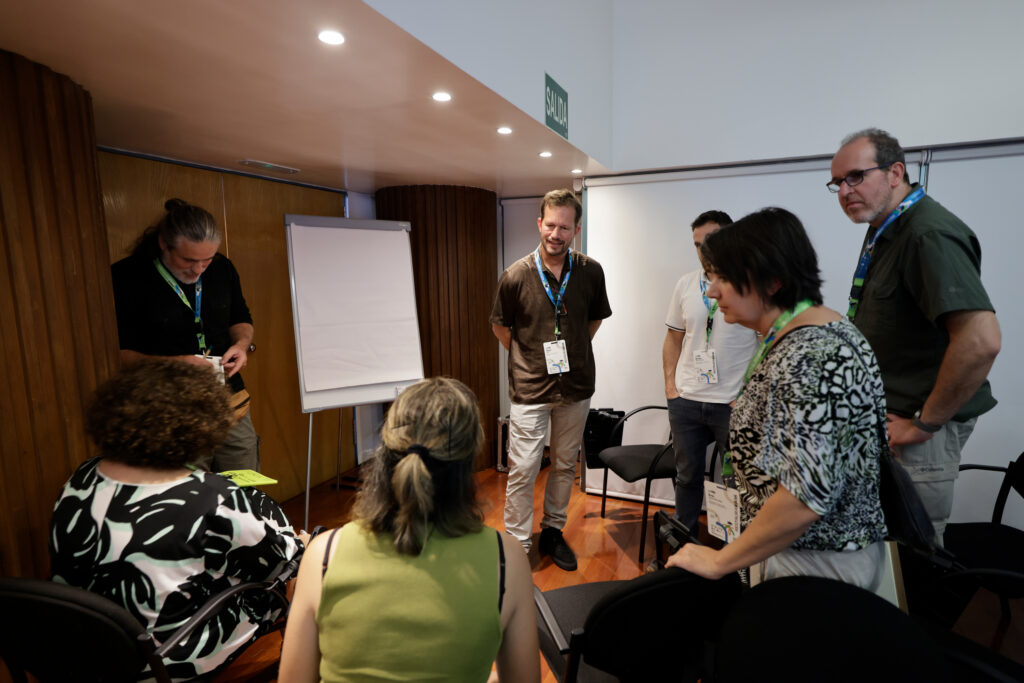
Speakers also pointed to another concern, the need for stable financing at a time of uncertainty around European funds. They stressed that keeping the standards of the Water Framework Directive intact remains essential for the health of river ecosystems.
RestauraRíos 2026 has once again shown itself to be a valuable space for dialogue and inspiration, bringing together policy, science and practice in support of Europe’s rivers.