
First use of Aquatic Warblers’ Bluetooth tracking technology in France
-
AWOM
-
Biodiversity - Flyways
This summer, we introduced a new tracking technology that is giving conservationists unprecedented insights into the lives of Aquatic Warblers: the BlūBat, an ultra-lightweight Bluetooth tracking tag developed by Cellular Tracking Technologies. Just a few months later, it delivered groundbreaking results. LIFE AWOM project partner the Groupe ornithologique normand (GONm) deployed these tags for the first time in France and successfully followed an Aquatic Warbler – named Han Solo – from the marshes of Normandy to Spain and onwards to Mauritania. This marks the first-ever African record of the species obtained using a BlūBat tag, demonstrating their potential to uncover new migration stopover sites across this vulnerable species’ flyway.
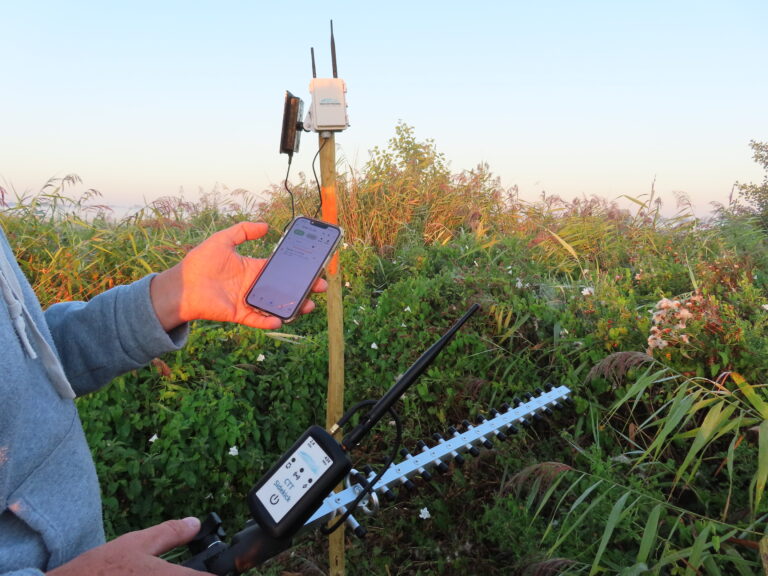
Telemetry has been used for a long time to track birds notably Aquatic Warblers, but traditionally it required one or two people equipped with directional antennae to track each bird. This system limited the hours during which monitoring could be carried out and, more importantly, risked disturbing or even flushing the bird being tracked. The new BlūBat tag system based on Bluetooth technology enables continuous monitoring of the bird’s location.
The story of an Aquatic Warbler passing through the Cotentin marshes of Normandy
The GONm owns nearly 300 hectares of peat marshes in the Taute Valley, south of Carentan-les-Marais in the Manche department of Normandy. For more than 15 years, they monitored the migration of the Aquatic Warbler, and the Cap site emerged as an important potential stopover area for the species.
In 2013, the monitoring campaign recorded 44 captures, 34 of them at the Cap site (24 newly ringed birds and 10 recaptures). In recent years, however, numbers have fallen dramatically: only four birds were captured in 2024 and just one in 2025, highlighting a dramatic decline in the population.
The Cap bird-ringing station
In 2026, during a ringing campaign conducted from 4 to 19 August, three Aquatic Warblers were captured, including one fitted with a BlūBat tag nicknamed Han Solo.
The company Cellular Tracking developed this complete system that, using a detection station coupled with a network of relay antennas (or nodes), can triangulate the position of a bird whose transmitter emits a regular signal. In the GONm case, the transmission rate was three pulses per minute.
On the morning of the 14th August, Han Solo was captured and fitted with a metal ring and a transmitter, together weighing less than 3% of its body mass.
From that moment on, the detection station was able to monitor the bird’s movements continuously, 24 hours a day, for eight days across the ringing station’ study plots. The bird remained confined to unmown grasslands, while all adjacent plots had already been mown by that date. As of the 22nd August, he started his journey to Spain.
The following maps illustrate the bird's movements:
A slideshow with 4 images
The slider is set to loop infinitely.
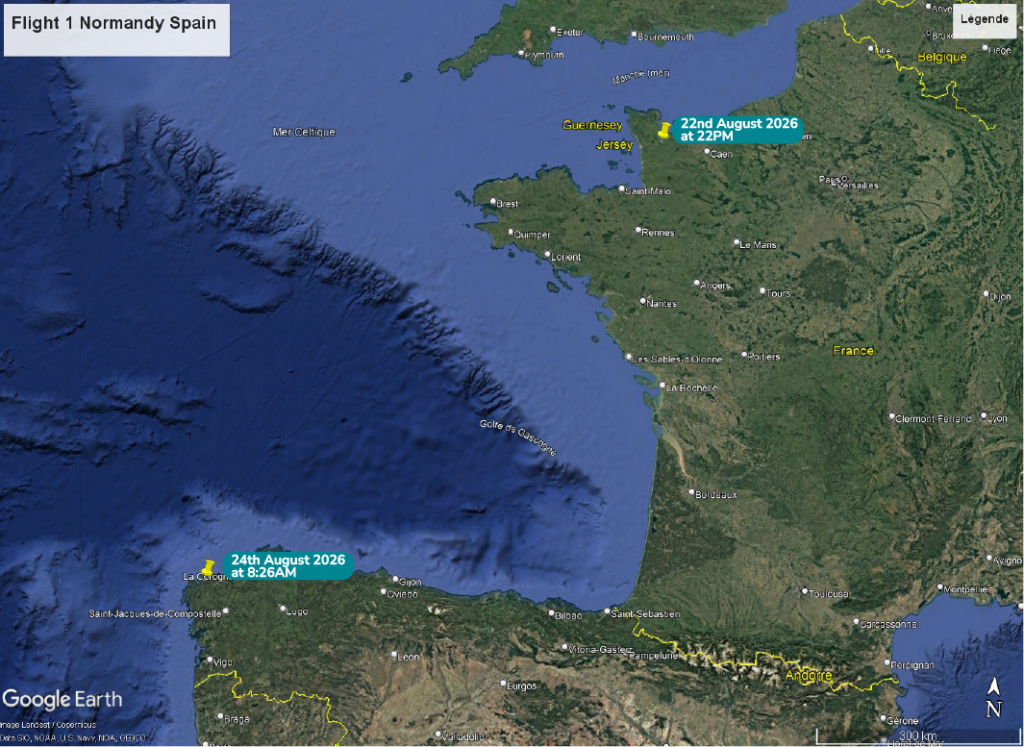
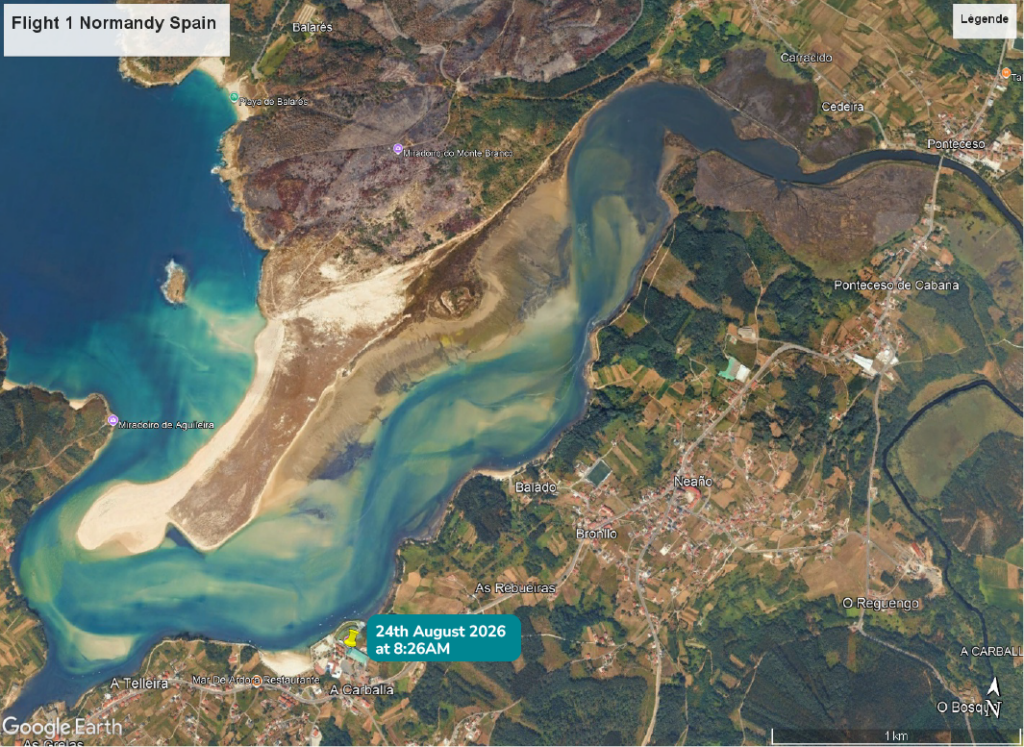
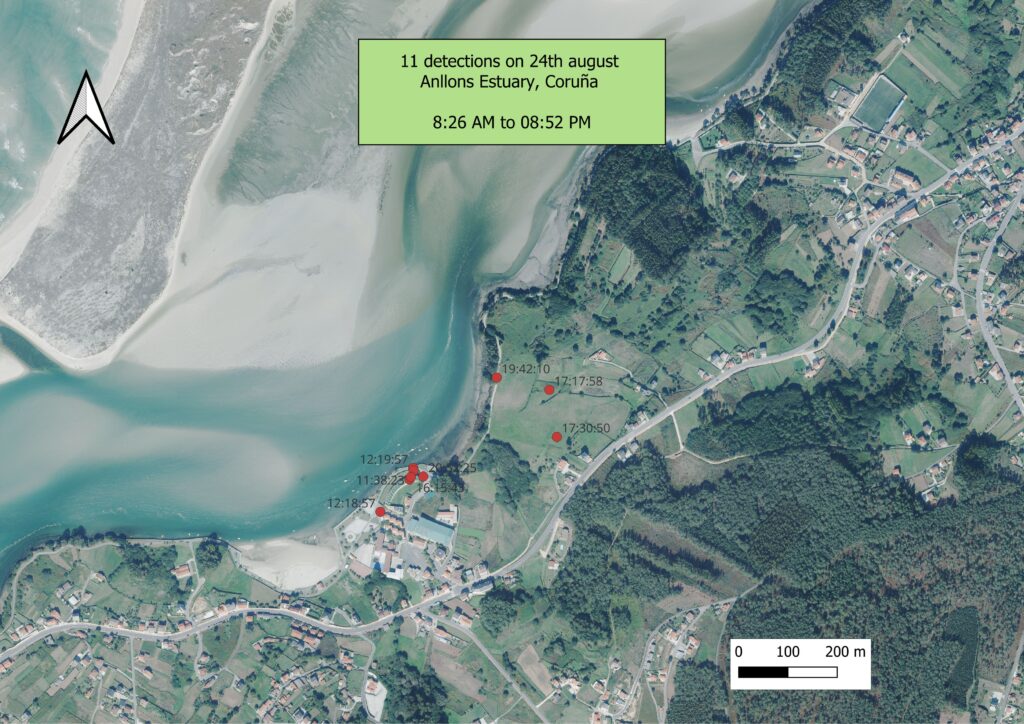
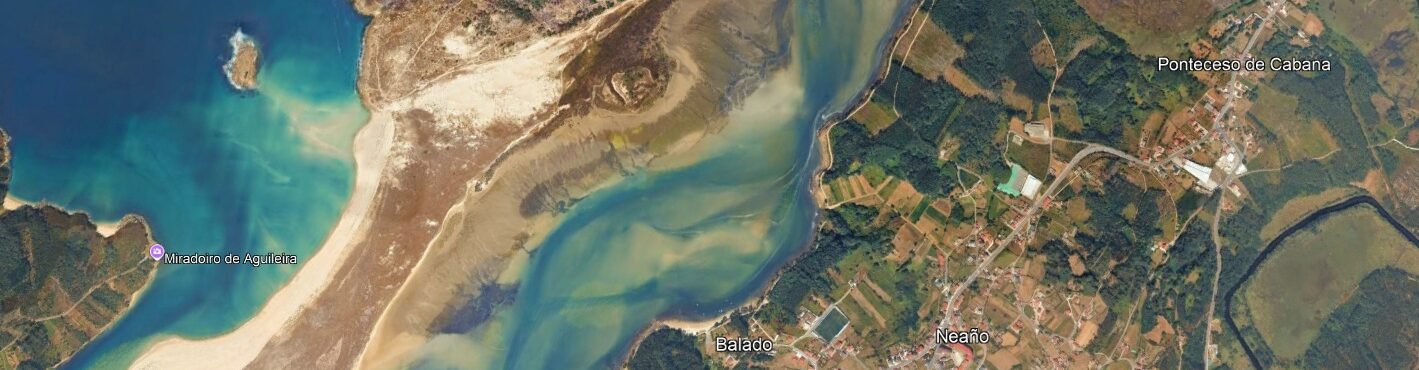
At around 10 p.m. on 22 August, the last signal was received, and then nothing. Had the bird moved within the marsh? Had it continued its journey? This is where the full power of these new transmitters comes into play. The signal can be detected passively by mobile phones (currently iPhones only), and to the researchers’ surprise, by the morning of 24 August Han Solo signal had been picked up in Spain, on the far western edge of the Iberian Peninsula. It had covered a straight-line distance of 900 km in less than 33 hours.
Did the bird cross the Bay of Biscay, or did it follow a route partly over land? There is no evidence to draw a firm conclusion, but a sea crossing cannot be ruled out, as has been observed in other passerine species.
The arrival site is an estuary containing well-preserved wetland habitats, although the mobile phone that recorded the signal was located near a tourist accommodation centre. The bird was subsequently detected several times throughout 24 August.
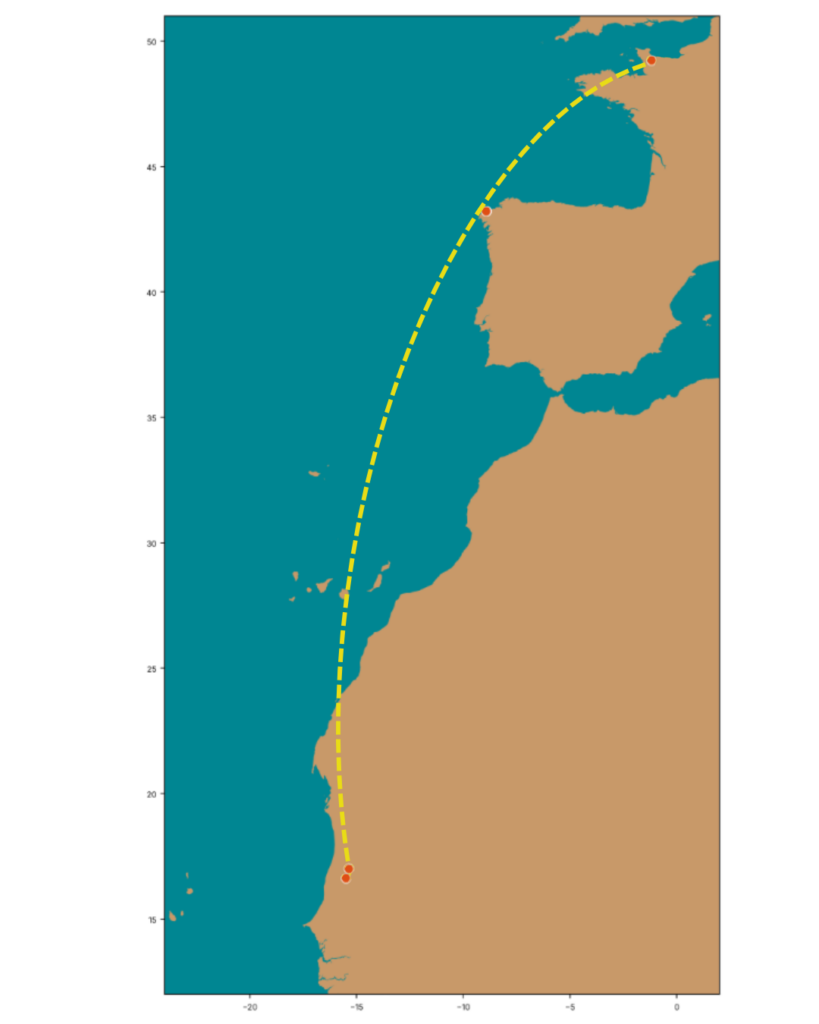
The first conclusion is that the bird, having arrived in Normandy in poor body condition, was able to build up sufficient fat reserves to undertake a first long-distance flight. Large estuaries are often considered the main stopover sites in France where birds like Aquatic Warblers replenish their reserves during post-breeding migration. GONm’s tracking also shows that inland marshes can also provide favourable stopover habitats. Importantly, the habitats on their study sites, notably sedge beds and wet grasslands, share key characteristics with the Aquatic Warbler’s breeding habitats.
First African record
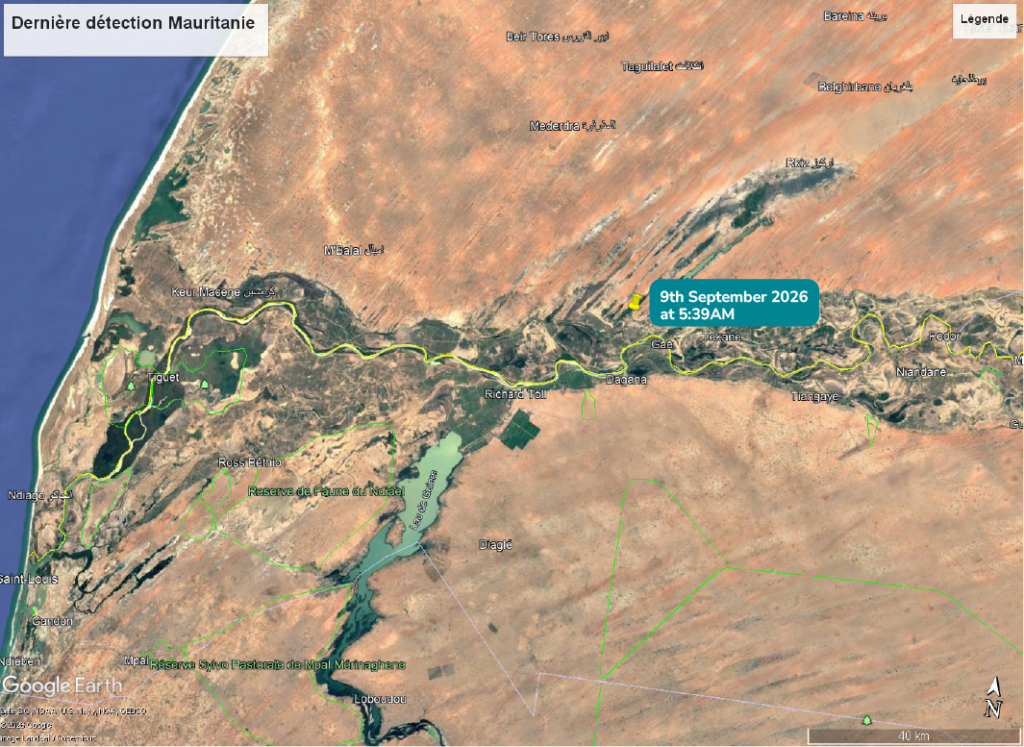
The story does not end there. On 19 September, less than a month after its stopover in Spain, Han Solo was detected in southern Mauritania, not far from the Senegal River. Satellite imagery of the site reveals a small bush village located near flooded areas: the village of Sokam.
The site had previously been identified as suitable habitat during surveys conducted under the LIFE AWOM project by Julien Foucher of the ACROLA association, although no Aquatic Warblers had been captured there at the time.

This first tracking campaign conducted at a French site validates the use of this technology to study how the species uses its habitat during migration. It also demonstrates that Blū+ technology functions effectively even in areas with low population density. The main limitation currently lies in battery capacity, which governs signal transmission, with battery life depending on the frequency of emissions.