
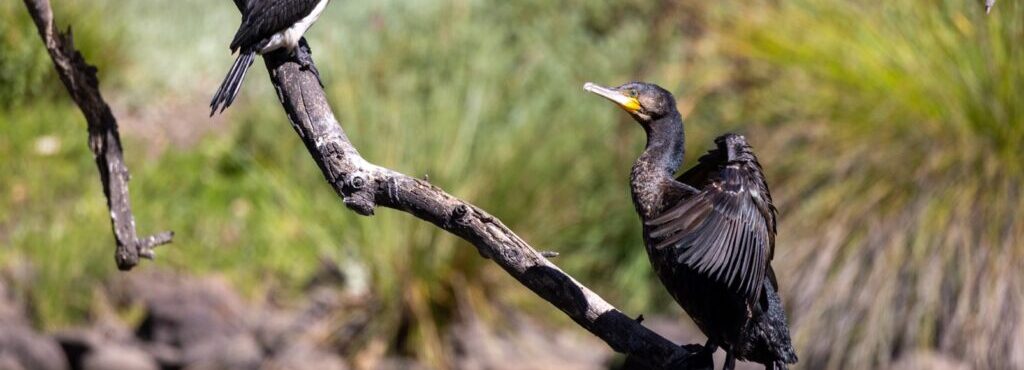
Europe needs robust evidence before reducing Great Cormorant population
-
Biodiversity - Flyways
A European-wide plan to drastically reduce the number of great cormorants in Europe has been drawing reactions from environmental NGOs since 10 November. This plan, debated by the European Parliament’s fisheries committee, is mostly supported by a report estimating that the species – eating a large quantity of fish – causes an annual loss of €670 million in damage to inland fisheries and aquaculture. However, our detailed review shows that this figure does not stand up to scrutiny nor is supported by sufficient evidence that a wide-scale predator control would restore fish population.
We are calling for an independent scientific review of the underlying data and methodology before the estimate is used to justify European policy decisions or any EU endorsement of the proposed management plan.
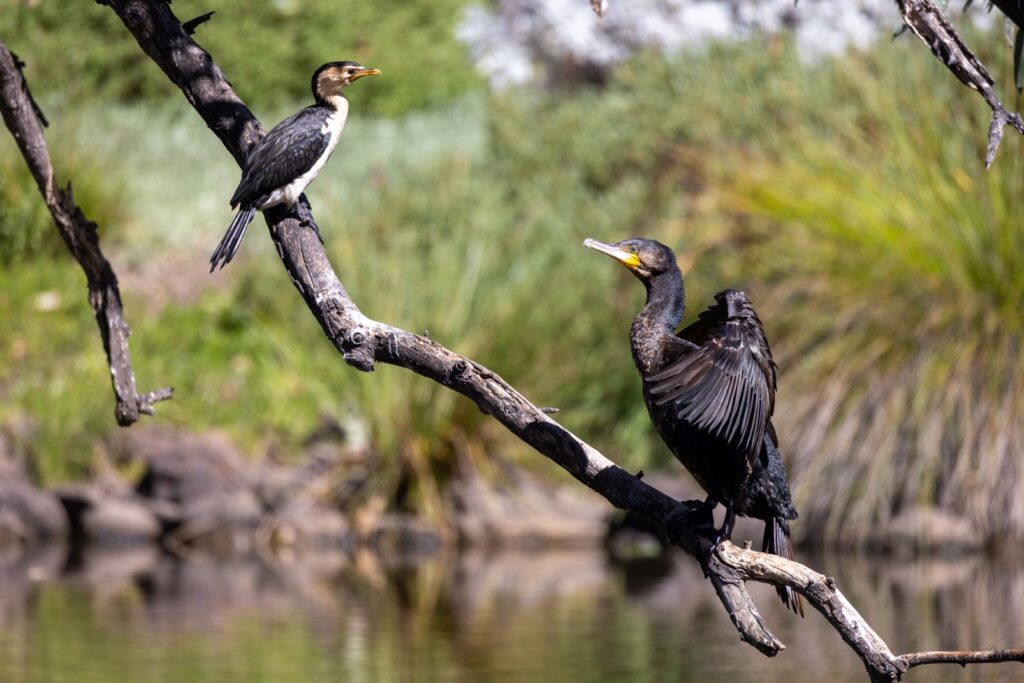
The number comes from a damage inventory published in August 2026 by the European Inland Fisheries and Aquaculture Advisory Commission (EIFAAC), an advisory body within the UN Food and Agriculture Organisation (FAO) system. It is now being used to support calls for a coordinated culling of cormorants across Europe. As stated in a previous article on the issue, we recognise the challenges cormorants pose to some fisheries. However, we remain convinced that these challenges must be addressed through evidence-based, proportionate solutions developed within the relevant EU and international policy frameworks.
A number that keeps growing
EIFAAC presented its case to the European Parliament’s fisheries committee in March 2026, estimating at that time a total annual damage caused by cormorant predation on inland fisheries and aquaculture at “more than €350 million”. Five months later, the estimate had almost doubled. Nothing about the birds changed in that time; the method did.
Three problems stand out:
- EIFAAC estimates fish consumption, not actual economic losses. The inventory estimates the total weight of fish eaten and prices all of it at market value. That includes small fish of no commercial value, invasive species and fish from coastal, not inland, waters. Fish eaten by a bird are not necessarily fish a fisher would otherwise have caught.
- This number relies on a higher population estimate. EIFAAC speaks of “more than 2 million birds” but its own draft plan from April 2025 put the figure at about 1.5 million. Our estimates – which are reviewed and validated by the Agreement on the Conservation of African-Eurasian Migratory Waterbirds (AEWA) – are 1.2-1.5 million individuals at mid-winter.
- EIFAAC’s report extrapolates local findings to the European level. A 25% surcharge for “stress” to fish, taken from a single Czech ministerial document, is applied across Europe. National estimates from different years, methods and habitats are added together and scaled up, with no statistical sampling or estimation methods applied in the extrapolations and without any independent review.
The European Commission itself made the same point about EIFAAC’s draft plan in 2025, stating that their framework for the European Cormorant management plan “lacks evidence (qualitative and quantitative) and scientific references throughout”. In June 2025, the Commission announced that no change of “the legal protection regime of the cormorants” was foreseen. That remains the right position.
Cormorants as a precedent for mass culling of other species
There is justifiable concern that cormorants are a test case. The Aquaculture advisory council – which wants the Commission to co-finance EIFAAC’s plan – names otters, herons and pelicans as problem predators, and EIFAAC’s own draft plan already puts heron predation at €48 million a year loss on both inland fisheries and aquaculture. Moreover, six Baltic Member States have already called for better management of both cormorants and seals. This call is further extended to a range of other species in a draft paper for an EIFAAC workshop on the subject in September 2026.
Making cormorants a huntable species would change little. As the Commission noted, it would require a full legislative procedure, and culling during the breeding season – when most conflicts occur – would still need a derogation.
What we are asking for
- Members of the European Parliament and the Commission: do not cite the €670 million figure or endorse EIFAAC’s plan until its data and methods have been independently reviewed.
- FAO: ensure its advisory bodies meet the standards of FAO’s own code of conduct, and commission an independent scientific review of the damage inventory. Instruct EIFAAC to halt the implementation of the Pan-European Cormorant management plan and withdraw it. It is not their mandate to manage bird species that are subject to other treaties.
- Member States: use the derogations, prevention measures, compensation and subsidy options already available to them to alleviate conflicts, and invest in restoring rivers and wetlands.
- Any future European approach: develop it through the Commission’s directorate-general for Environment or AEWA, with range states, ornithologists and fisheries experts at the same table, using verified data.
Cormorants, fish and the people who depend on them share the same rivers and lakes. Good policy for all of them starts with accurate numbers.