
Climate resilience law names nature-based solutions, but stops short of making them Europe’s first line of defence
-
Press Release
-
Freshwaters
Brussels, 27 October 2026
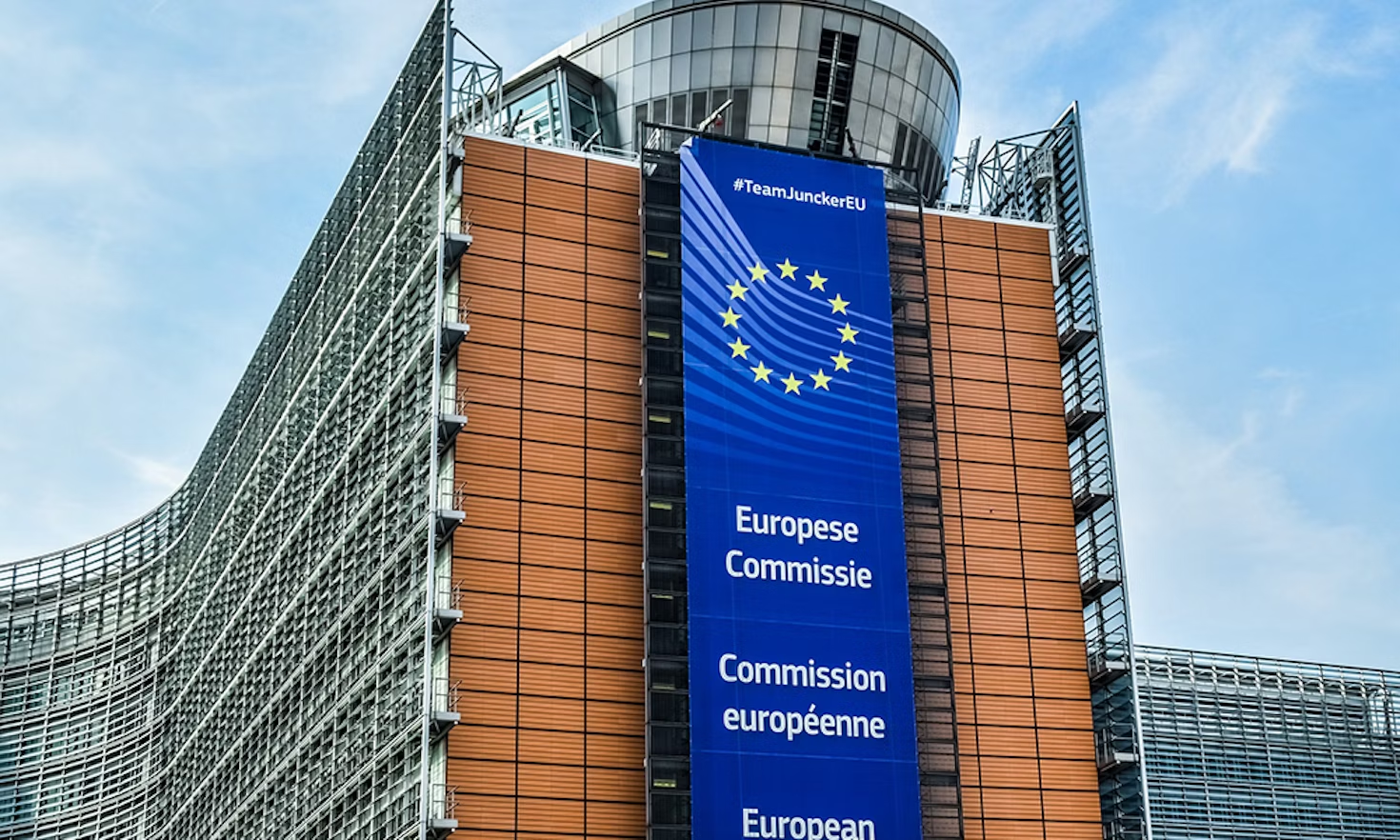
The European Commission’s proposed Climate Resilience package unveiled today requires the EU and Member States to “promote nature-based solutions and ecosystem-based adaptation” in their resilience plans. But it does not make them a priority, and sets no dedicated targets, monitoring mechanisms or funding for them, the Living Rivers Coalition (LRE) warned today. Without such requirements, Europe risks overlooking some of its most effective tools for building climate resilience.
Nature-based solutions, such as restoring wetlands to slow down and store rainwater, using practices to help soils retain water and reduce erosion, or protecting coastal dunes to buffer storms are cheaper, faster and bring countless other benefits for climate mitigation, public health and biodiversity.
The Commission’s own call for evidence ranked nature-based solutions as the “default first line of defence” among stakeholders’ top five priorities. The proposal recognises nature-based solutions, but not in that role.
The Commission has also failed to publish its announced guidance on climate-resilient landscapes. The LRE coalition urges the Commission to publish it without any further delay.
The coalition welcomes the timely shift from responding to disasters to preventing them, including a common reference warming trajectory (3°C by 2100) on which risk assessments and plans must be based, in line with scientific advice from the European Scientific Advisory Board on Climate Change.
The LRE coalition calls on the European Parliament and Member States to strengthen the legislative proposal during the upcoming co-decision negotiations. Nature-based solutions must become the first line of defence against the worsening impacts of climate change, through their systematic prioritisation in EU and national adaptation planning and backed by commensurate EU funding.
Media contacts
Amélie Tagu [email protected] | Marion Girard Cisneros [email protected]
Notes to editors
- Today’s package consists of a Communication on the EU Framework for Climate Resilience and a proposal for a European Climate Resilience Law. The Communication also lists several other related initiatives to be developed later such as Water Initiative in 2027.
- What the CRF means for different sectors – at a glance:
- Governance: Although the framework requires the EU and Member States to include climate resilience objectives and targets in relevant policies, including budget, this requirement will fail unless it is structurally translated into the EU budget and monitoring frameworks.
- Agriculture: Despite severe drought impacts on yields this summer, the regulation mentions food security but not agriculture, and fails to step up the role of the Common Agricultural Policy (CAP) in making the EU more climate and water resilient. In the midst of the post-27 CAP reform, it misses an opportunity to set out how water retention measures at the landscape level, and climate resilient crops and practices significantly reduce vulnerability to drought, flood and wildfire risks. The EU continues to subsidise irrigation, drainage and land management practises that erode climate resilience.
- Insurance & Finance: While the accompanying Communication recognises the growing insurance protection gap and launches a Climate Insurance Alliance, the legislative proposal itself contains no meaningful provisions to address Europe’s worsening insurability challenge or to systematically connect insurance policy to resilience, prevention and risk reduction, including through nature-based solutions.
- Just resilience: The framework acknowledges the need for just climate resilience to ensure that the potential impacts of adaptation measures on vulnerable groups and places are assessed and mitigated in advance. However, it stops short of introducing any concrete and binding measures to integrate socio-economic distributional impact assessments into resilience planning.
- The economic impact of the heatwave alone is estimated at €113 billion, with at least 35,000 excess deaths across the continent (economic cost source ; mortality data source).
- Joint open letter “Make nature-based solutions the first line of defence against climate disasters”.
- Joint Letter “Targeting ambitious action to address the insurance protection gap and avoid a European insurability crisis”.
- In his mission letter, Commissioner Hoekstra was tasked by President von der Leyen to lead work on a European Climate Adaptation Plan and to “look at incentives for nature-based solutions”.
- In the 2025 State of the Union Address, Ursula von der Leyen highlighted that “Climate change is making each summer hotter, harsher, and more dangerous. This is why we have to radically step up our efforts into climate resilience and adaptation, and nature-based solutions.”
- The Council conclusions of 16 December 2025 on Europe’s Environment 2030 explicitly “stress[es] the foundational importance of healthy ecosystems and nature-based solutions as cost-effective means for climate resilience” and welcome plans for a supporting legal framework.
- WWF briefing calling for reducing Europe’s growing insurance protection gap and for using the EU Climate Resilience Framework as a part of a broader EU policy for managing and reducing risks from extreme weather events.
- New WWF-UNEP WCNC report on nature-based solutions shows that healthy ecosystems can function as critical resilience infrastructure.