
Event recap: Mediterranean wetlands as a strategic asset
-
Advocacy
-
Global Europe
-
Mediterranean
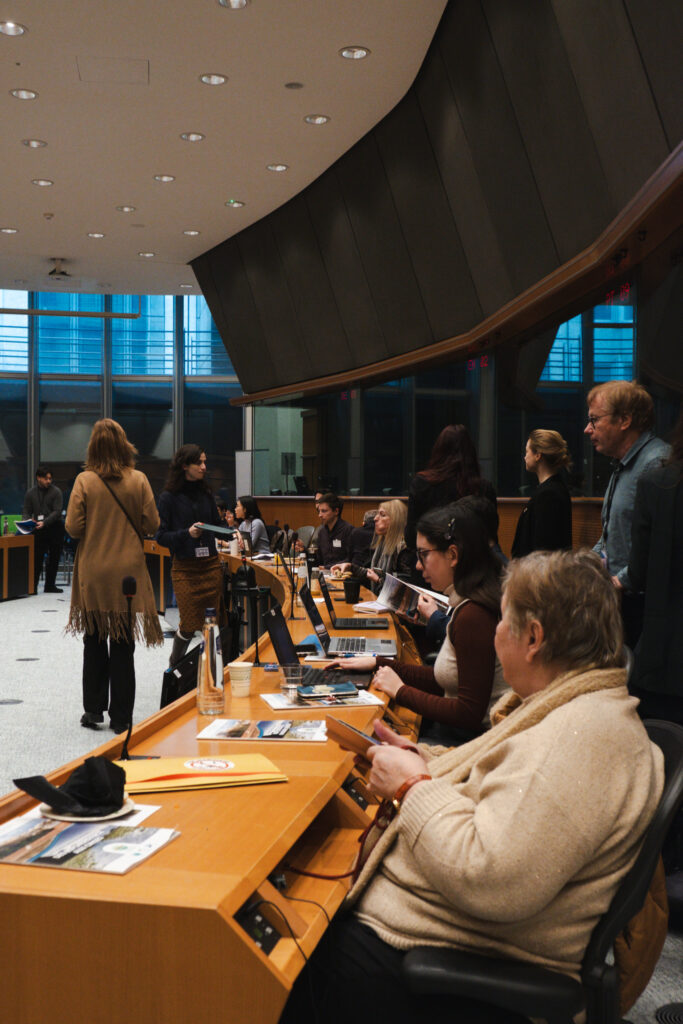
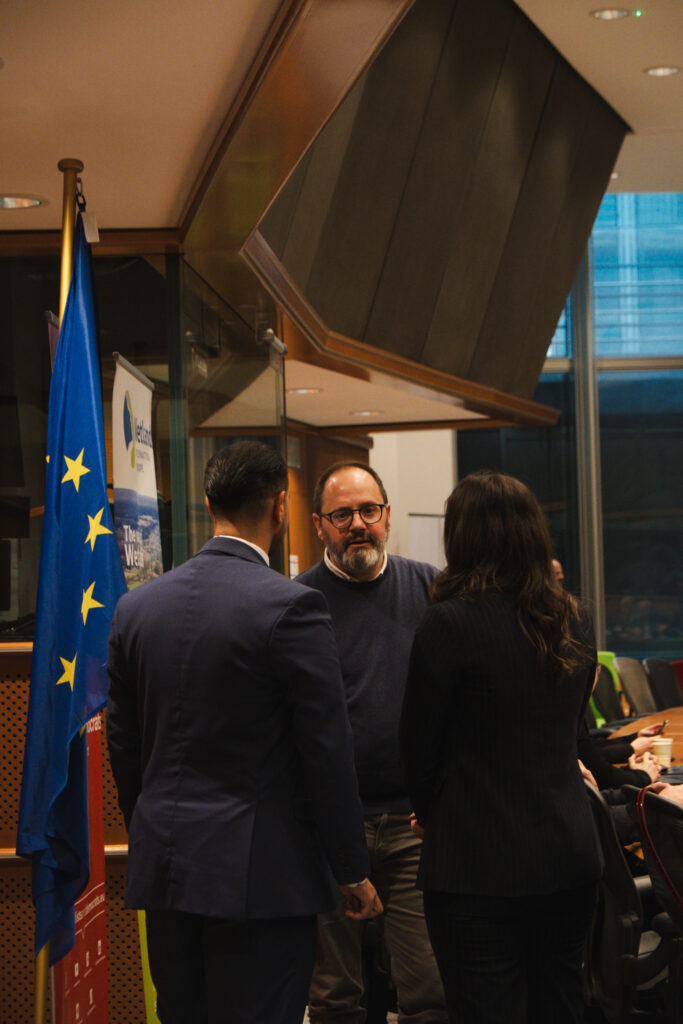
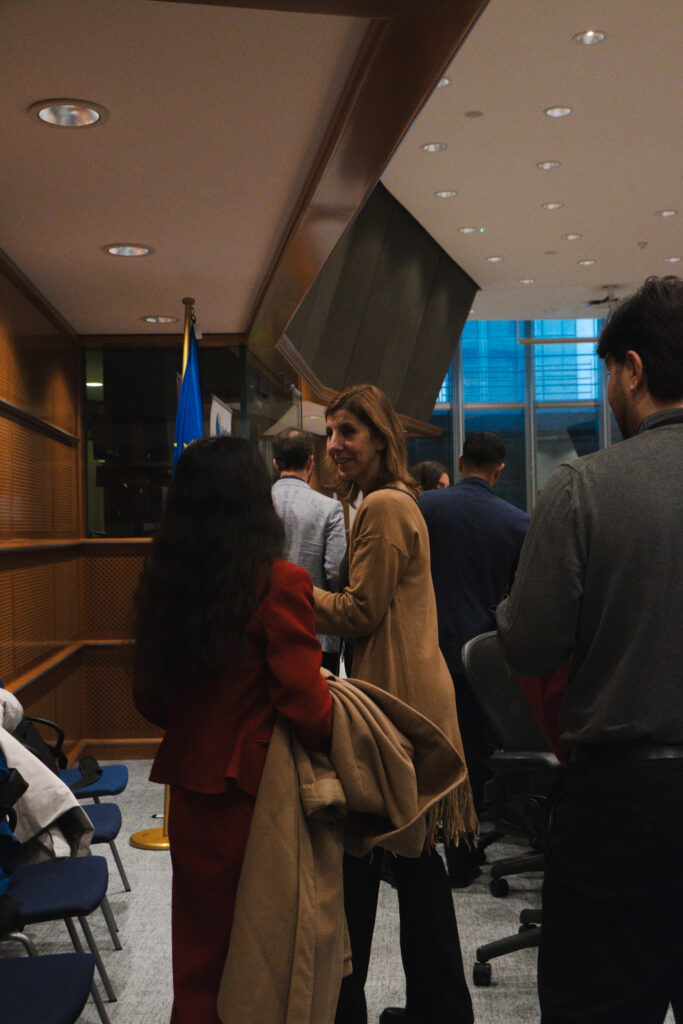
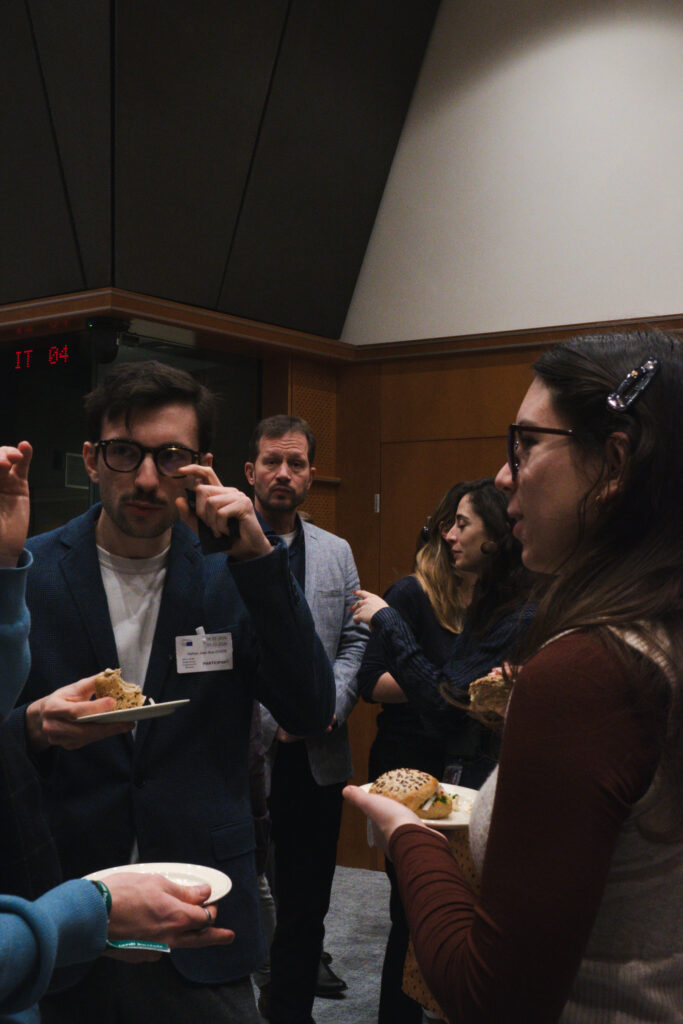
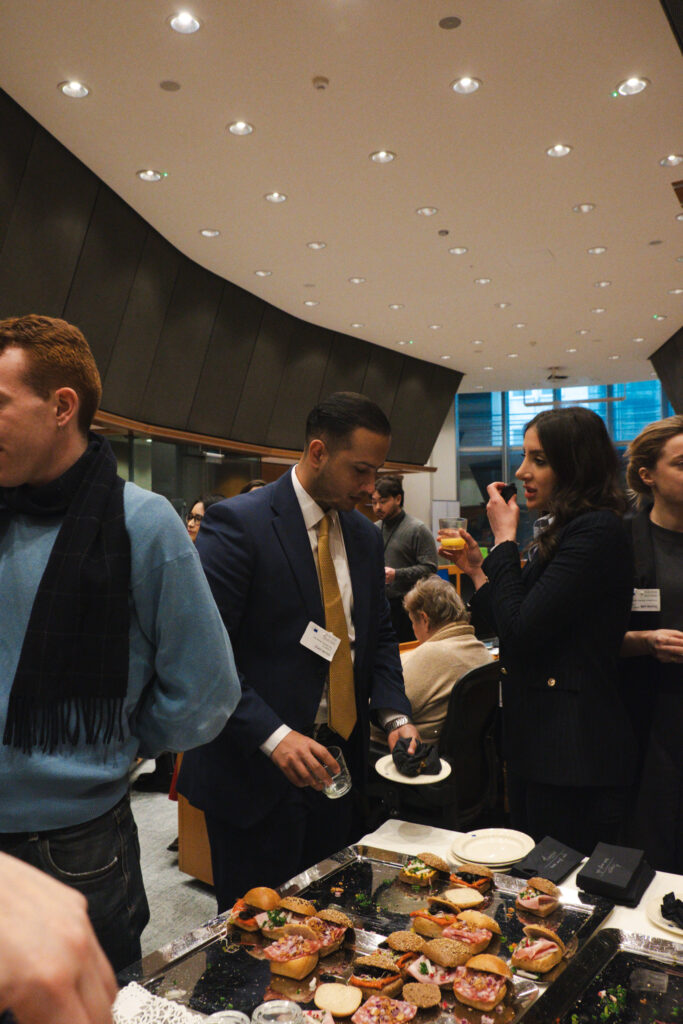
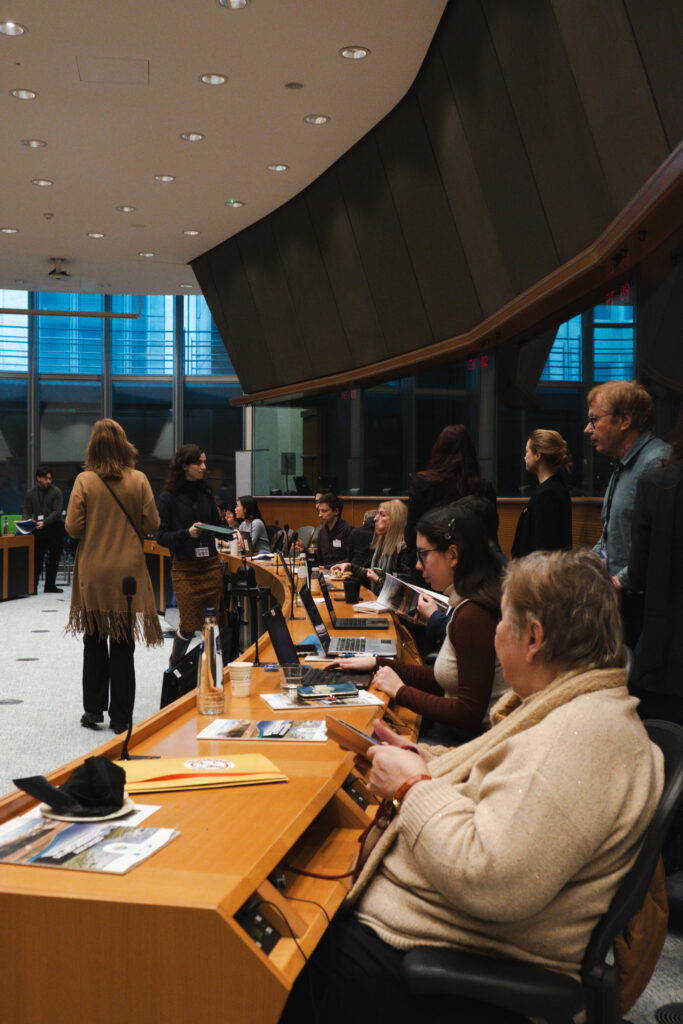
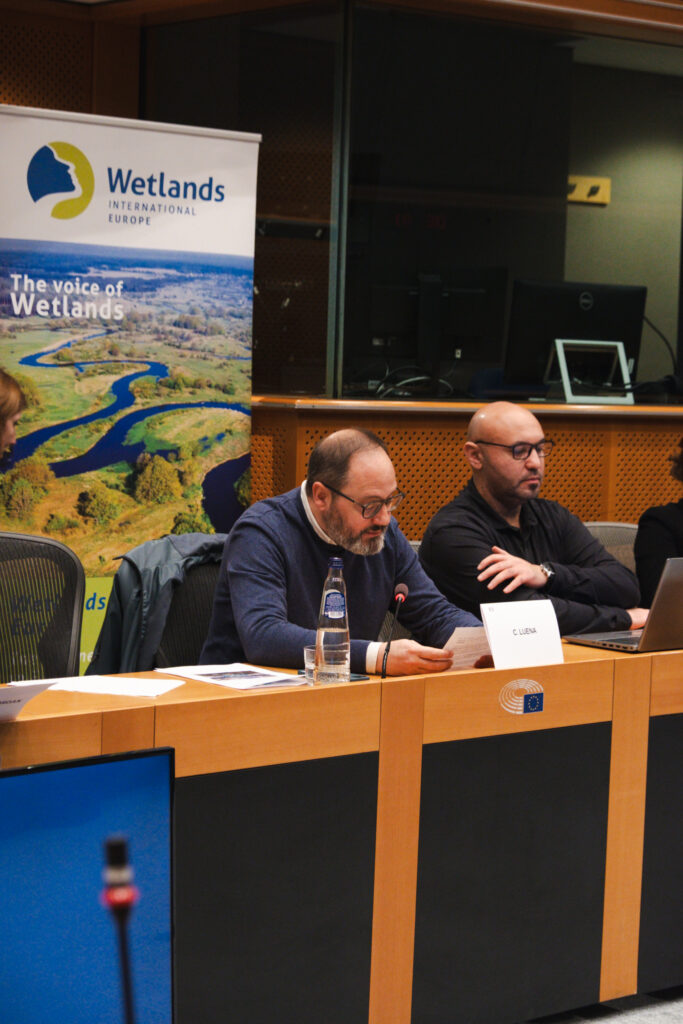
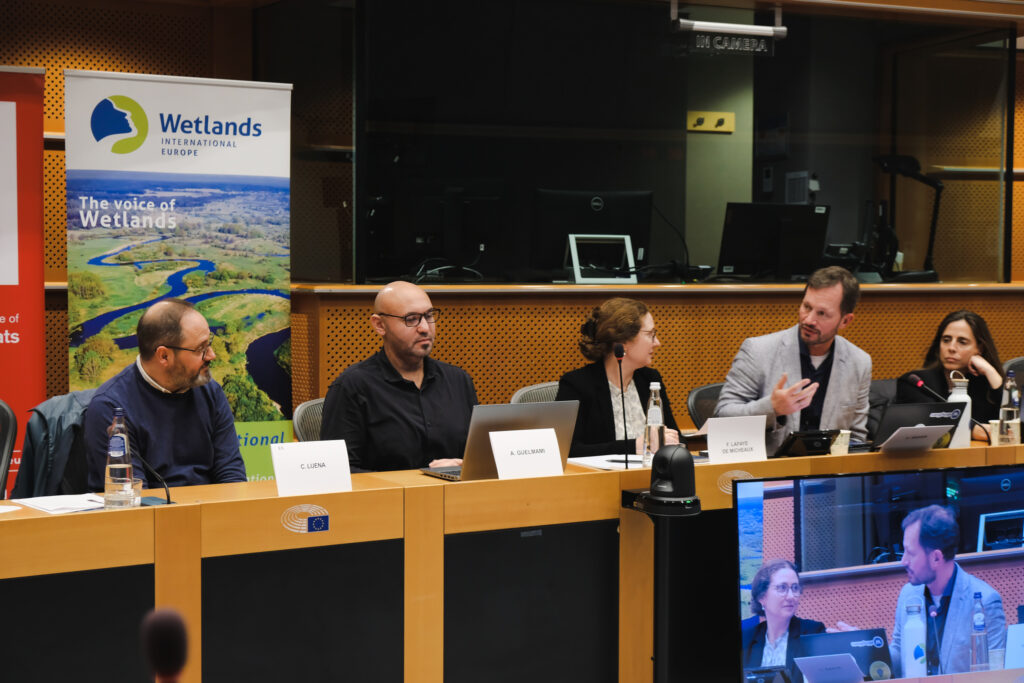
MEP César Luena (Socialists and Democrats) opened our event on 5 February 2026 at the European Parliament, “From water stress to water security: wetlands as a strategic asset for the Mediterranean”.
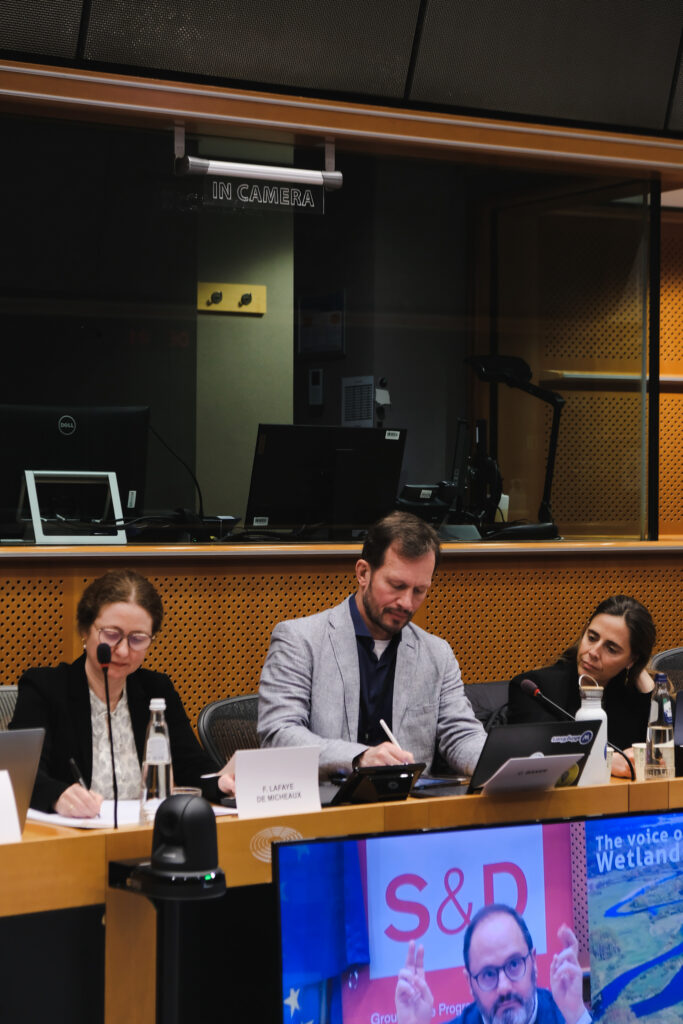
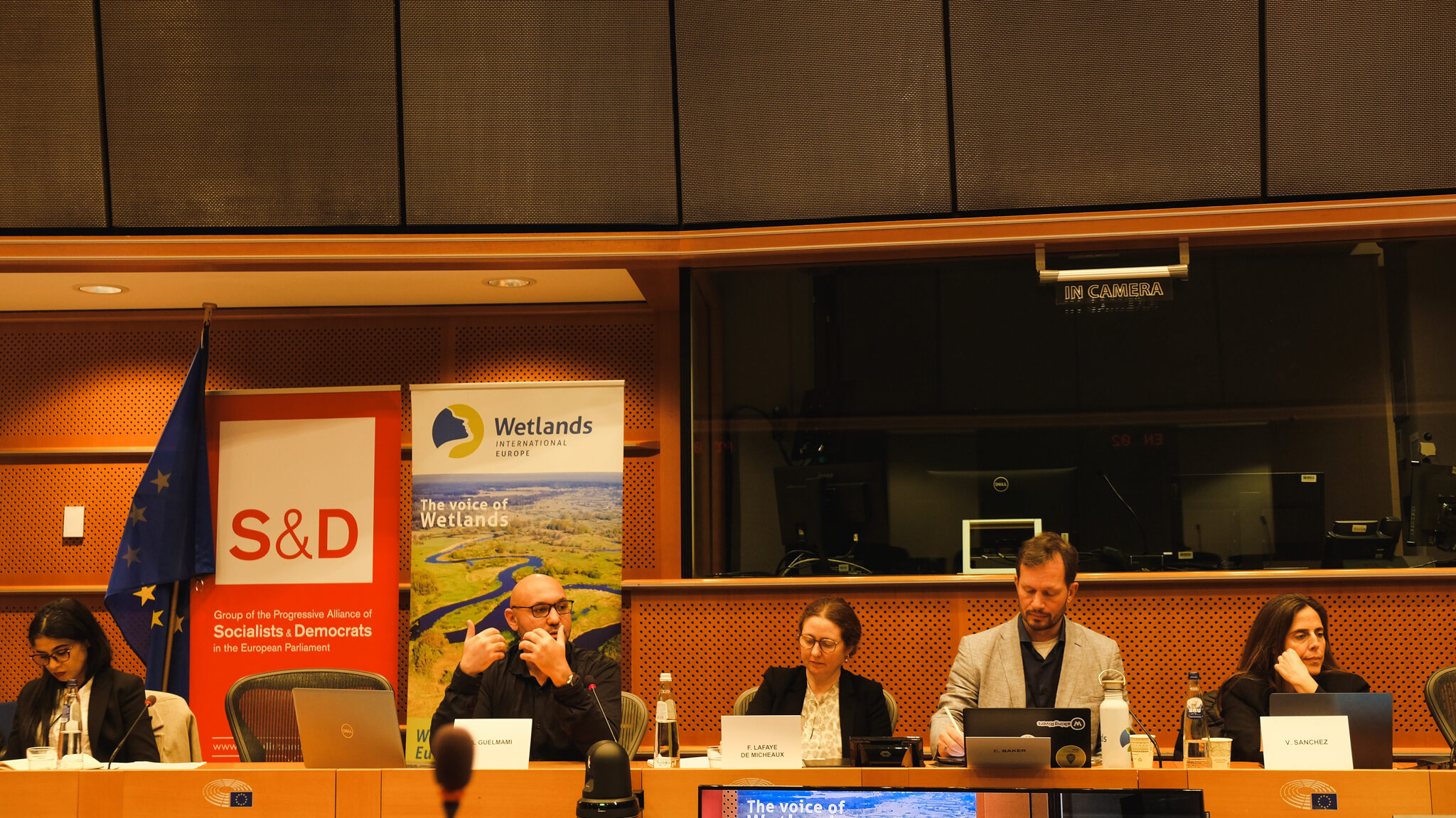
Moderated by our director Chris Baker and co-organised with our member Tour du Valat, the dialogue included policymakers, scientists like Anis Guelmami of the Mediterranean Wetlands Observatory, Vanessa Sanchez from Fundación Global Nature on Spanish case studies, and Flore Lafaye de Micheaux from the Convention on wetlands (Ramsar). They reframed wetlands as vital infrastructure for a water-stressed Mediterranean, posing the core question: what happens to societies when these natural buffers disappear? And what political action is needed at European level to help reverse this trend?
The findings of our report, Mediterranean Wetlands Outlook 3 (MWO-3), drove the discussion, revealing 56% of historical Mediterranean wetlands lost, a 12% further decline over the last 30 years; 400 million people threatened within the 28 Mediterranean countries; and a basin warming 20% faster than global norms.
Since 2000, built-up areas around wetlands surged 44%, while agriculture claims 30% of their space. MEP César Luena’s opener highlighted the stakes: structural vulnerability now endangers water cycles, food systems, and regional stability.

Wetlands: nature’s resilience engineers
Wetlands deliver essential services as nature engineers. They absorb floods, recharge aquifers, ration water through droughts, cool urban heat, filter pollutants, sequester carbon, and bolster biodiversity for fisheries, farms, and tourism. Speakers positioned these ecosystems as core water security infrastructure and not marginal spaces between “productive” uses.
The discussion highlighted that pressures intensify relentlessly. Data from our report, presented by Anis Guelmami, stressed that 54% of lost wetlands were converted to cropland; 36% to artificial reservoirs. 95% of major rivers face ecological disruption, severing connectivity. Anis Guelmami cautioned that engineered “solutions” like concrete channels often amplify long-term risks over true resilience.
Aligned policy opportunities
Yet the EU’s agenda offers narrow windows; the EU Nature Restoration Law mandates wetland targets but succeeds only if integrated into Member States projects on the ground.
The incoming EU Water Resilience Strategy eyes wetlands as affordable nature-based alternatives to infrastructure; restoring rivers is often cheaper and more effective. The upcoming EU Climate Adaptation Law to be presented this year could elevate them as core resilience benchmarks if it puts ecosystems at its core.
The European Commission, represented by Commissioner for the Mediterranean Dubravka Šuica, underlined the need to embed wetlands within broader Mediterranean strategic cooperation frameworks. To tackle these issues, our MWO-3 report proposes five levers: treat wetlands as infrastructure in planning; cross-cut water policy; speed restoration; deepen cooperation; mobilise communities. Chris Baker’s moderation framed these as tests of political will.
Spanish cases: funding in action
Vanessa Sanchez detailed Fundación Global Nature’s decades-long work at Spanish sites like La Nava, Boada, El Hito, Marjal de Pego-Oliva, and Marjal del Moro. LIFE programme funds, national grants, and private investment reflooded sites, dismantled obsolete structures, replanted vegetation, and restored grazing. These efforts yield 38 tonnes CO₂ equivalent avoided per hectare yearly in saline systems, unlocking carbon markets.
Flore Lafaye de Micheaux also stressed Ramsar’s potential to scale such models globally. Still, she flagged that private finance needs public pillars, the Multiannual Financial Framework, climate budgets, and the LIFE programme, to cohere at scale.
Facing the choice
MEP César Luena’s framing fused with MWO-3 data and ground-level successes, wetlands buckle under intensifying pressure, but restoration builds cost-effective security. Spanish projects, from revived marshes trapping carbon to traded credits funding more, prove the feasibility. European leaders now face a fork: development paths eroding nature’s sponges, or strategies embedding wetlands as vital infrastructure for a parched century. The Mediterranean wetlands’ future hangs in balance.
(Re)watch the full event here.
Download here the speakers’ presentations
A slideshow with 9 images
The slider is set to loop infinitely.