
LIFE AWOM: phased mowing in the Belgian Blankaart
-
AWOM
-
Biodiversity - Flyways
By Natuurpunt. Click here to read the original article in Ducth
Biodiversity in De Blankaart natural reserve in Belgium is being boosted thanks to a smart management approach: phased mowing. This careful and selective management technique is essential for the conservation of the extremely rare bird, the Aquatic Warbler. Creating a mosaic of reeds of varying lengths and ages is crucial for maintaining both foraging and shelter for this endangered songbird, that our LIFE AWOM project is aiming to protect.

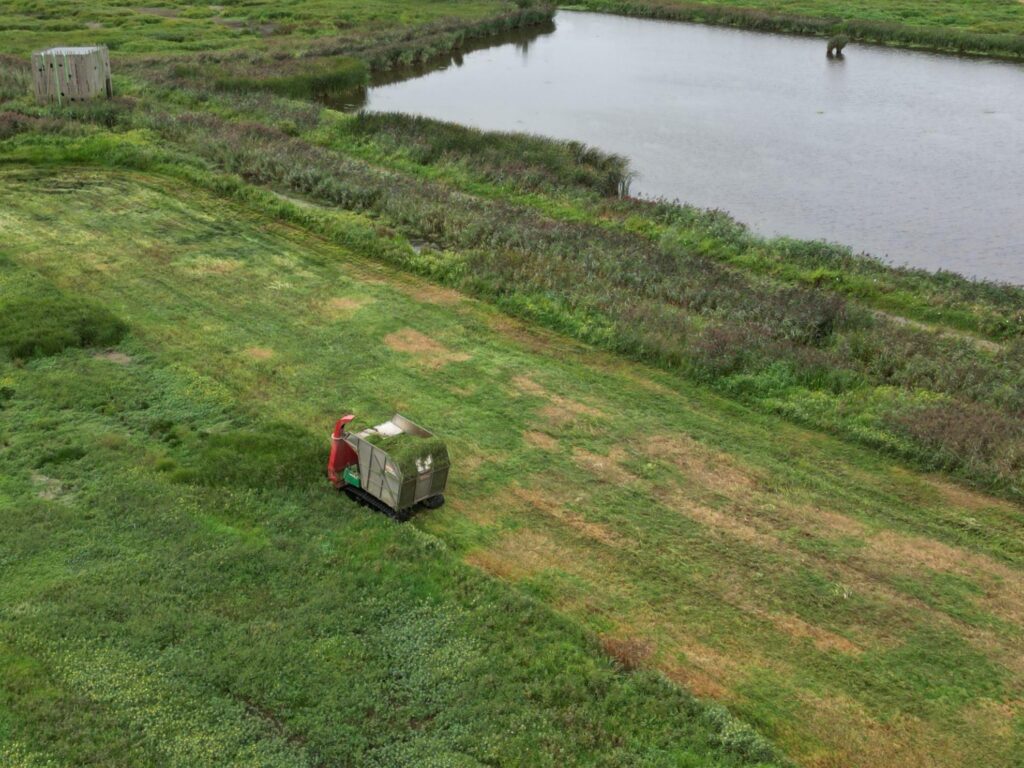
In September, approximately six hectares of reed marsh were mowed in the Blankaart area in Northern Belgium. The key to this success is the technique used: phased mowing . This isn’t clear-cutting, but a careful and selective management technique that leaves some of the vegetation standing. And for good reason: the Aquatic Warbler is known for its very specific requirements for its foraging habitat.
In the Flemish region, this endangered species doesn’t prefer a uniform landscape, but rather a mosaic of reeds of varying lengths and ages. The Aquatic Warbler is one of the only European songbirds that forages almost exclusively on the ground, searching for insects and invertebrates. Therefore, patches of short, young reeds or more open areas with herbaceous vegetation are essential for foraging. The long, older reed stems, in turn, are used as structures for song posts and as protection from predators.
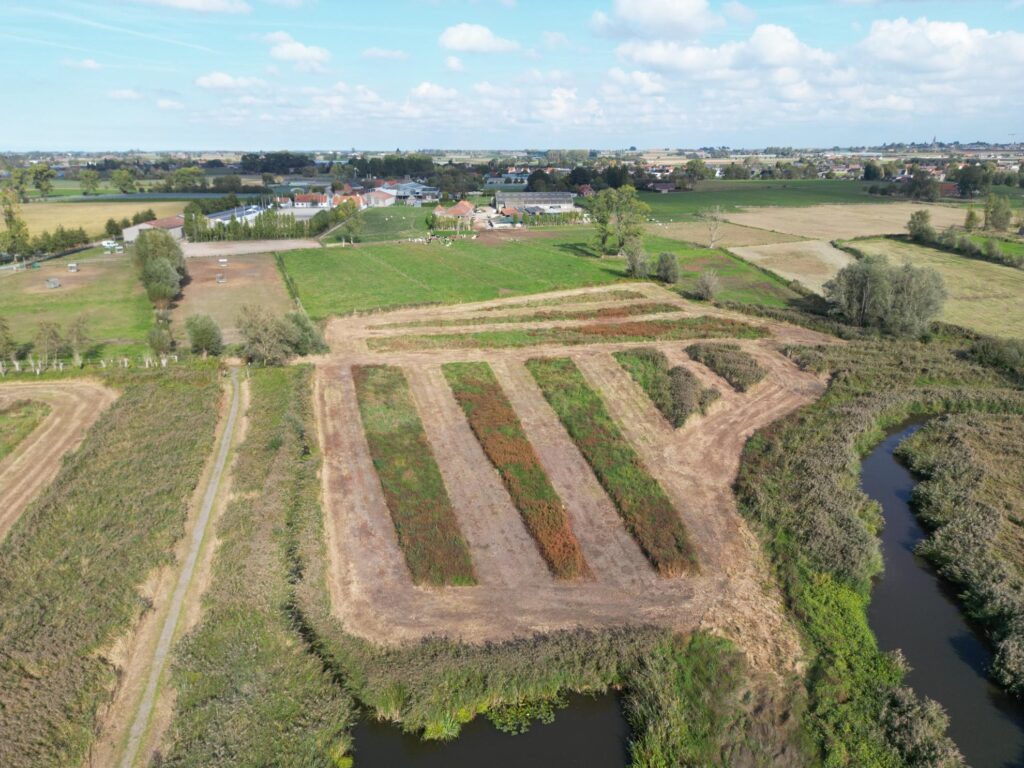
Phased mowing isn’t just good for the Aquatic Warbler; insects also benefit from this management technique. By leaving some of the vegetation standing, insects living in the reed marsh find refuge after the mowing. These insects form the basis of the Aquatic Warbler’s diet, so increasing their chances of survival directly benefits the bird’s food supply. Although this phased management requires additional challenge and effort from the field crew, the benefits for biodiversity and the Aquatic Warbler are invaluable.
The LIFE AWOM project focuses not only on management work but also on finding a sustainable use for the grass clippings. The fields are mown in collaboration with several local farmers. The grass clippings are then composted at the farm and used as soil improver. The LIFE AWOM project aims to further expand this circular management practice and involve more local farmers. This not only strengthens ecological management but also fosters the connection between nature and agriculture. More on this later!