
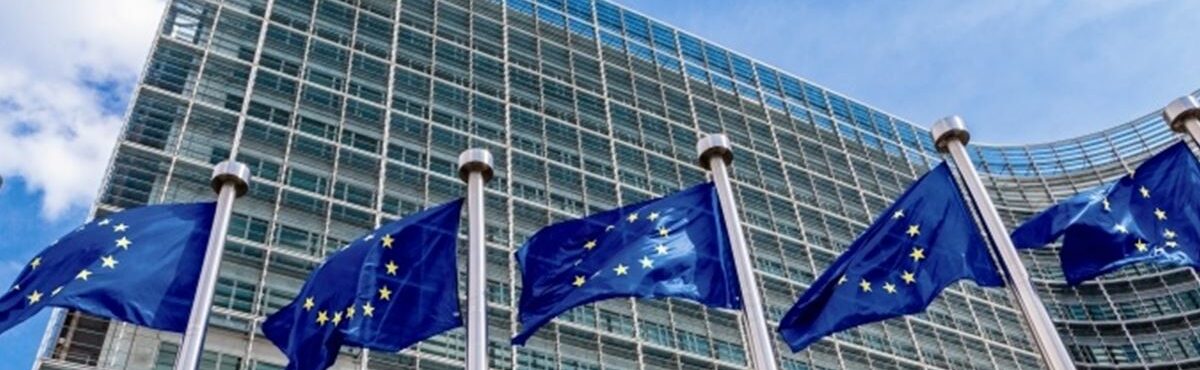
Our statement on the EU Council conclusions on climate and energy diplomacy
-
Advocacy
-
Global Europe
Wetlands International Europe welcomes the adoption of the Council of the European Union’s conclusions on climate and energy diplomacy. At a time of growing geopolitical instability and accelerating environmental degradation, the European Union’s recognition of the links between climate change, biodiversity loss, pollution, water stress, and security is both necessary and timely. These conclusions send a clear signal that resilience, adaptation, and sustainable resource management must be at the core of the EU’s external action.
We welcome in particular the emphasis on the triple planetary crisis, the increased attention to adaptation, and the stronger focus on water resilience and water diplomacy. These are areas where the EU can make a tangible difference in partner countries. The recognition that environmental degradation and water insecurity can exacerbate fragility and conflict is also an important step towards a more coherent and preventive approach.
At the same time, the Council’s conclusions do not yet fully reflect the role of wetlands and freshwater ecosystems in delivering on these objectives. Wetlands, including peatlands, floodplains, rivers, lakes and coastal systems, are central to climate mitigation and adaptation, water security and disaster risk reduction. Their continued degradation is a significant source of greenhouse gas emissions, while their protection and restoration offer immediate and cost-effective opportunities to reduce emissions and strengthen resilience.
Degraded water ecosystems also represent a growing risk to economic stability and industrial development. The loss of wetlands affects water availability and quality, increases exposure to floods and droughts, and creates uncertainty for sectors that depend on stable natural resources. This has direct implications for energy systems, agriculture, manufacturing and extractive industries. Safeguarding wetland ecosystems should therefore be seen as a condition for long-term competitiveness, not a constraint.
Wetlands International Europe calls for stronger support to partner countries to integrate wetlands into their national climate frameworks, in particular Nationally Determined Contributions (NDCs) and National Adaptation Plans (NAPs). Many countries with significant wetland resources have yet to fully account for their mitigation and adaptation potential. Healthy peatlands store vast amounts of carbon accumulated over millennia, while mangroves and other coastal wetlands are among the most carbon-dense ecosystems globally and provide critical protection against climate impacts. Scaling up support for the conservation and restoration of these ecosystems could deliver significant emissions reductions while strengthening resilience, safeguarding water systems and supporting local livelihoods.
While the Council’s conclusions refer to nature-based solutions, greater clarity is needed to ensure that wetlands are explicitly recognised and prioritised in implementation. This is especially relevant for EU external financing, including under the Global Gateway strategy, where investments should contribute to the protection and restoration of ecosystems rather than further degradation.
We also stress the importance of strong safeguards in the EU’s external energy and raw materials partnerships. As demand for critical raw materials increases, it is essential to avoid negative impacts on high-value ecosystems, such as the High Andean wetlands. Failure to do so would undermine both climate objectives and long-term economic resilience.
Wetlands International calls on the EU and its Member States to:
- support partner countries in embedding wetlands in their NDCs and NAPs;
- recognise the role of healthy ecosystems in underpinning economic resilience and competitiveness;
- prioritise wetland protection and restoration in external financing and partnerships;
- strengthen safeguards to prevent damage to critical ecosystems in energy and raw materials investments;
- use upcoming international processes, including the 2026 UN Water Conference, to advance wetlands as a core component of climate and resilience strategies
- establish wetland partnerships with partner countries to embed nature-based solutions to socio economic ambitions.
The Council conclusions provide a solid basis. Their impact will depend on how effectively they are translated into action, including through a clearer recognition of wetlands as essential to climate, water and economic resilience.