

Urgent need to align energy transition with rights and environmental protection in Latin America
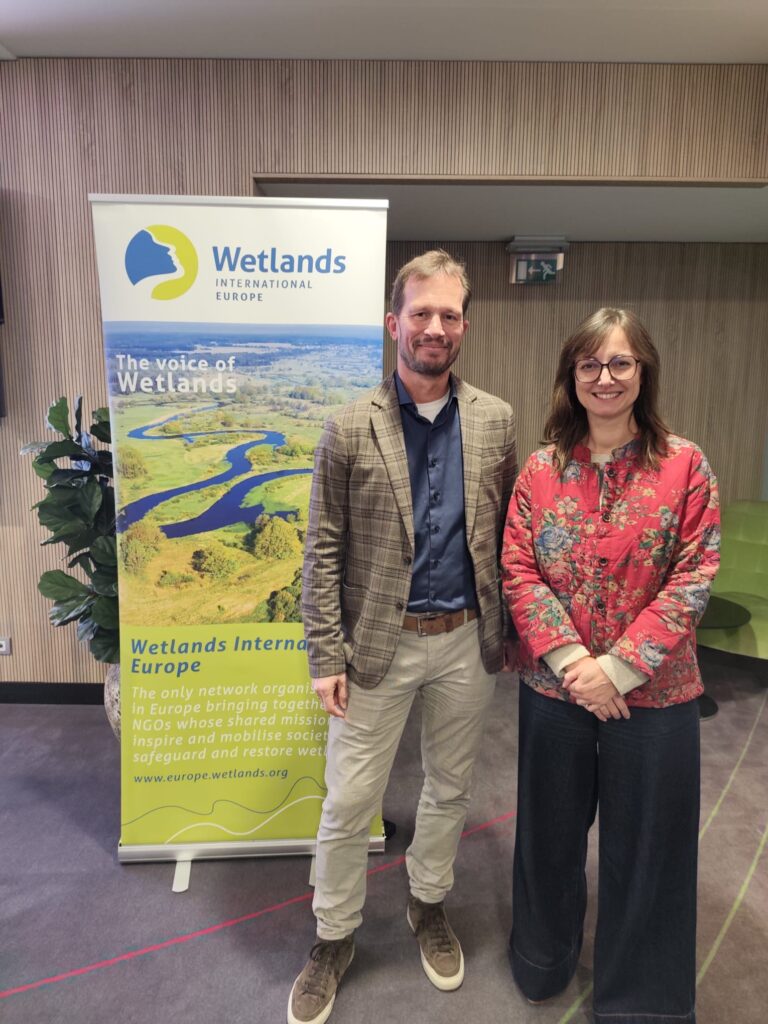
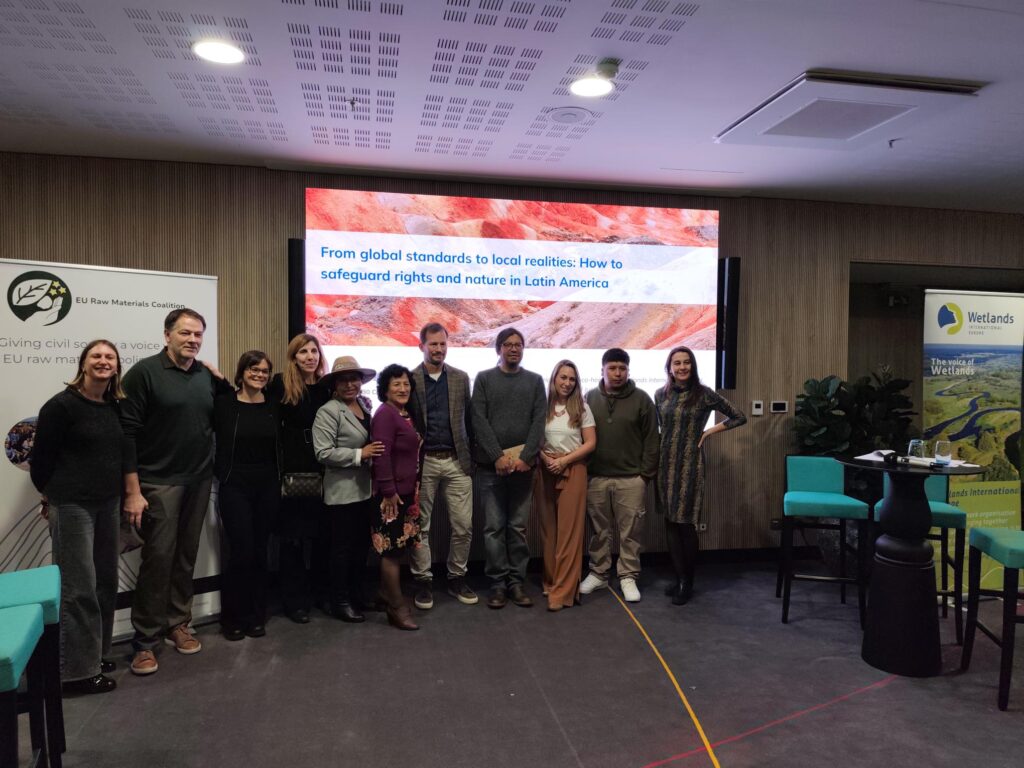
Civil society organisations, indigenous representatives, and EU policymakers came together in Brussels for a high-level roundtable on “From Global Standards to Local Realities: How to Safeguard Rights and Nature in Latin America.” during the EU Raw Materials Week.
The event was organised by Wetlands International Europe, FARN, Broederlijk Delen, PUCARA, the EU-LAT Network, and Justice et Paix.
Opening the session, Chris Baker, Director of Wetlands International Europe, warned that the global push for critical minerals, particularly lithium and copper, is increasingly clashing with human rights and environmental protection.
“Without vigilance, the green transition risks becoming a new driver of social inequality and environmental harm, especially in fragile ecosystems like the High Andean wetlands,” he said. These wetlands regulate regional climate, store water, sustain biodiversity, and support indigenous livelihoods, yet they are under growing pressure from extractive industries. He noted that this area is particularly close to Wetlands International’s heart, as since 2017, together with partners including FARN, the organisation has been implementing the Saving High Andean Wetlands for People and Nature Programme.
Speakers highlighted how weak Environmental Impact Assessments, non-compliance with Free, Prior and Informed Consent (FPIC), and the failure to recognise no-go zones are contributing to the creation of new “sacrifice zones” across Argentina, Bolivia, and Peru. Despite existing legal frameworks, enforcement remains weak, while recent deregulation trends in both Latin America and Europe heighten socio-environmental risks.
The panel brought together European Parliamentarians, legal experts, environmental organisations, and indigenous community leaders.
Key contributions included:
- Insights from the CELAC–EU Summit, by Magdalena Bordagorry from the EU–LAT Network, stressing the need for credible EU commitments on human rights and responsible supply chains.
- MEP Saskia Bricmont, from the Greens/EFA group, elaborating on how partner countries can trust the EU’s commitments to human rights and environmental protection in supply chain, given recent moves on the Omnibus package and the political push to secure critical raw materials;
- Testimonies from frontline communities in Argentina (Jujuy), Bolivia, and Peru (Cajamarca), detailing the impacts of mining on water, health, livelihoods, and democratic participation. Yber Sarapura, Indigenous Community representative from Salinas Grandes and Laguna Guayatayoc Basin said: “The energy transition cannot be guided by consumerism or by a logic of continued extraction to sustain the same models that created the climate crisis. The planet cannot endure any more, and neither can our peoples. We are people who defend life, water, and dignity.“
- Critical analysis of emerging technologies such as Direct Lithium Extraction, and their environmental and social implications;
- Discussion on shrinking civic space and threats against human rights defenders in extractive zones.
Throughout the session, speakers stressed that a truly sustainable energy transition must reduce material demand, address overconsumption in the Global North, and prioritise human rights, ecological integrity, and democratic governance. For instance Maria-Laura Castillo from FARN said “The EU must reassess projected transition-mineral demand, rapidly adopt policies to reduce primary-mineral use, ensure full compliance with binding human rights obligations, uphold strong due-diligence standards, and guarantee transparency, access to information, and inclusive participation of affected communities and Global South civil society.”
In his closing remarks, Baker summarised the calls of all speakers on EU decision-makers, investors, and companies in 4 points:
- Recognise the irreplaceable value of High Andean Wetlands,
- Strengthen safeguards and ensure genuine community participation,
- Avoid investments where FPIC, EIAs, and environmental protections are not upheld,
- Shift from an extractive model toward reduced demand and circular solutions.
“The future of the High Andes depends on decisions made with the people who call these places home,” he concluded. “Only by placing rights and nature at the centre can the energy transition be truly just and sustainable.”
Useful Links: