
Wetlands @ Risk – The Tagliamento River
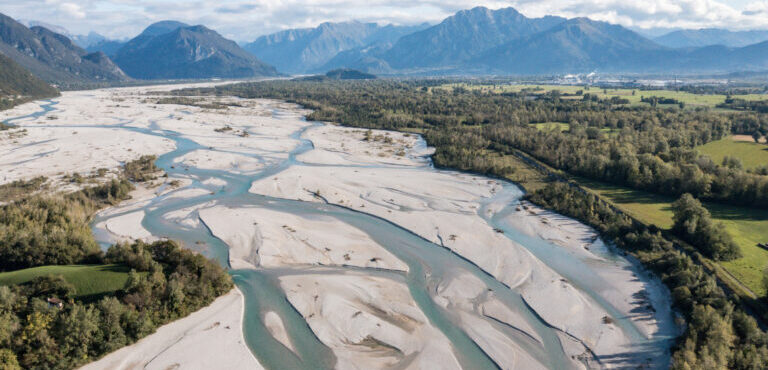
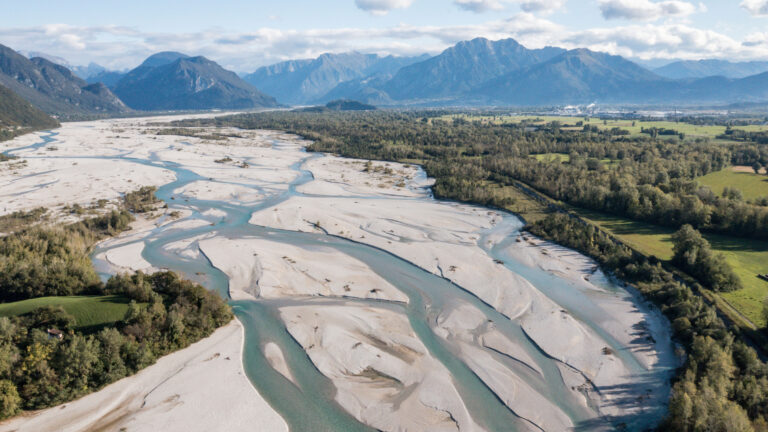
The Tagliamento River is Europe’s last morphologically intact Alpine river and is considered a key reference ecosystem. Flowing 178km from the Carnic Alps to the Adriatic, it is defined by wide, shifting gravel beds and braided channels. It is a rare window into what most Alpine rivers looked like before regulation, damming, and channelisation. Parts of the river are protected under the EU Natura 2000 network as Special Areas of Conservation and Special protection Areas.
Despite its special designations and ecological importance, the Tagliamento river is now threatened by major flood-control infrastructure pushed through against strong local and scientific objections. This flood barrier will compound long-standing threats from water abstractions, gravel extraction, and pollution along the river.
Threats
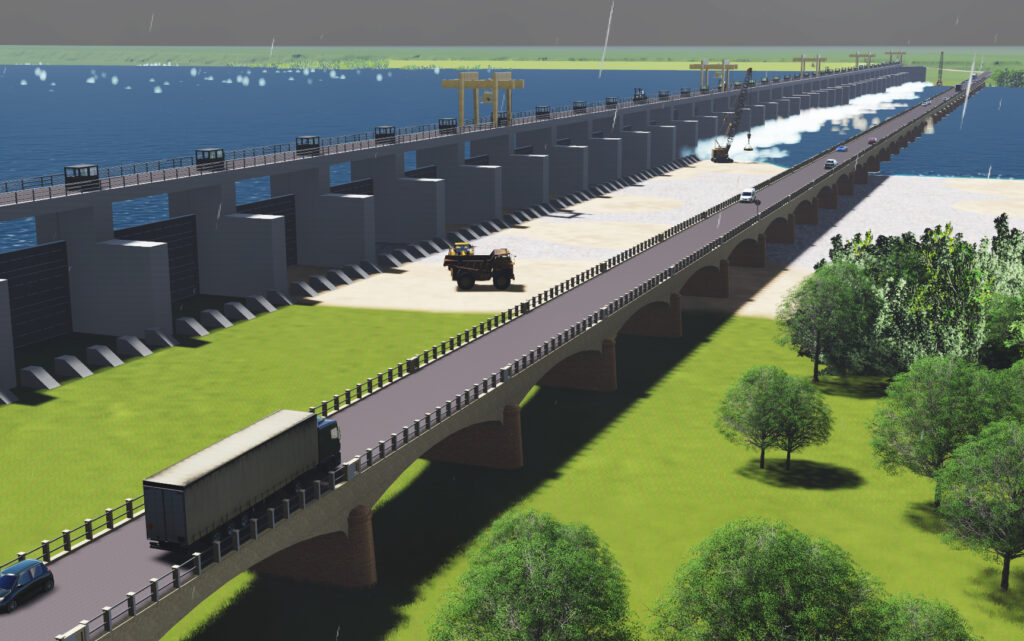
The Tagliamento river faces multiple threats, the largest and most pressing being a proposed “laminating barrier” for flood protection between Dignano and Spilimbergo in the Friuli Venezia Giulia region. This project would store ~29 million m³ of floodwater with walls dug 20-30 metres deep. Opposition rejects this project, arguing that it is effectively a large dam that would sever surface and groundwater continuity, block sediment transport, and permanently alter the river’s ecology.
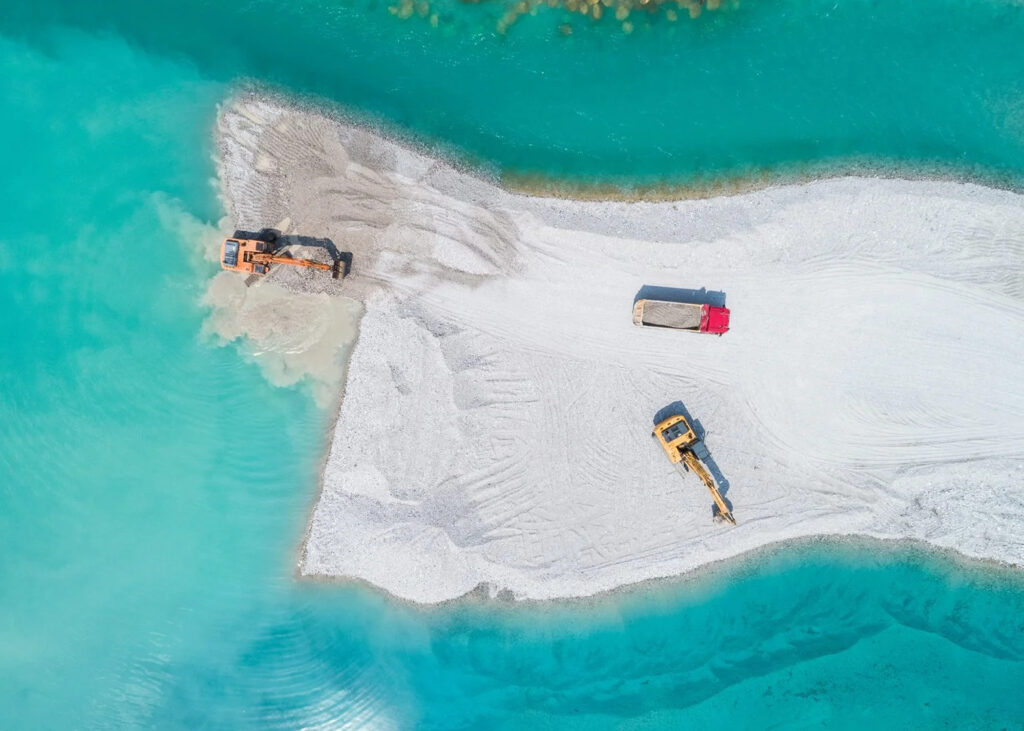
This threat is compounded by continued pressure from water and gravel extraction, and unauthorised riverbed use for activities such as off-road driving and camping. Climate change is expected to make summers drier, with droughts becoming more prevalent. This is alongside more intense rainfall, further disrupting the natural river flow.
Biodiversity value
The Tagliamento river is considered a reference site for scientists studying river ecology. The shifting gravel bars and braided streams support ~30 fish species, including migratory fish of interest under the Trans-European Swimways Programme, such as the Italian barbel or the Adriatic sturgeon. The endangered white-clawed crayfish can be found in this river, but its population is threatened by pollution and habitat modification. A variety of bird species make homes in the riverbeds, using the land for nesting and sustenance. Kingfishers can be found on the riverbanks, and herons can be seen wading in the water.
A slideshow with 2 images
The slider is set to loop infinitely.
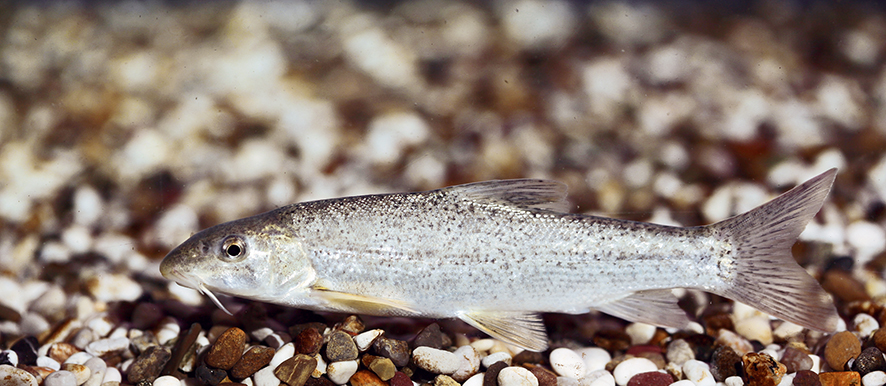
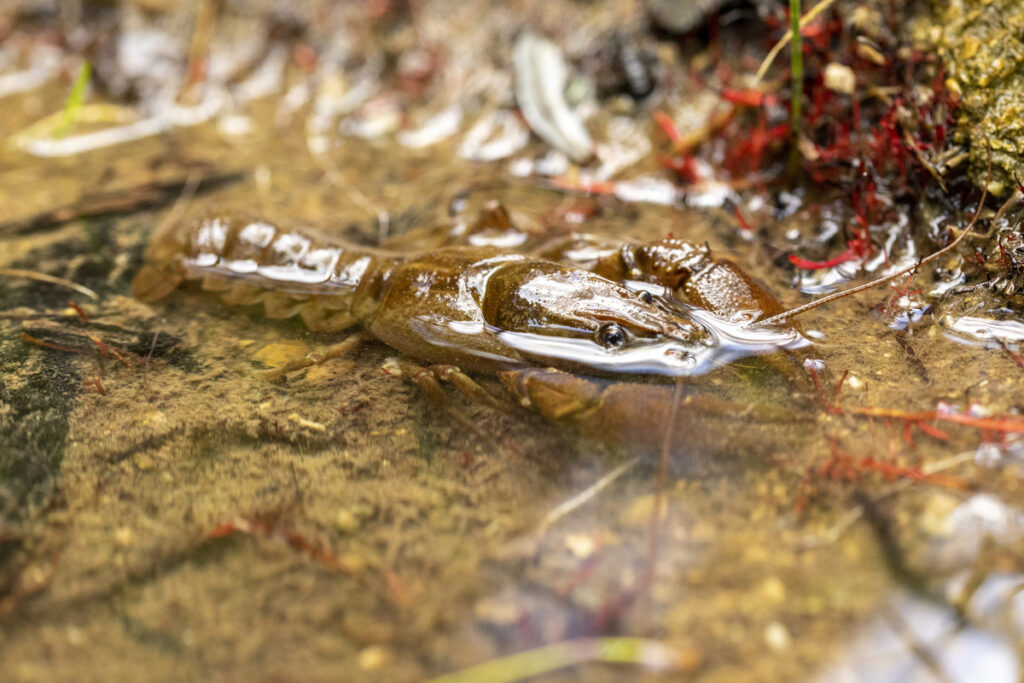
The river corridor most affected by the proposed barrier is designated as a Special Area of Conservation under the EU Habitats Directive and is further classified as a Special Protection Area under the EU Birds Directive. A neighbouring Natura 2000 site to the proposed dam further protects 53 species listed under the Nature directives.
Taking action
Spilimbergo and Dignano’s town councils have unanimously opposed the flood barrier project, and “No Diga” (No Dam) groups have staged repeated protests. Despite this, the region committed in early 2026 to continuing with planning. Affected residents have brought forth a petition to the European Parliament’s Committee on Petitions (no. 0144/2025), with a delegation of Dignano residents coming to Brussels in 2025 to reinforce the call to action. They argue that the construction of the barrier would conflict with its Natura 2000 designation.
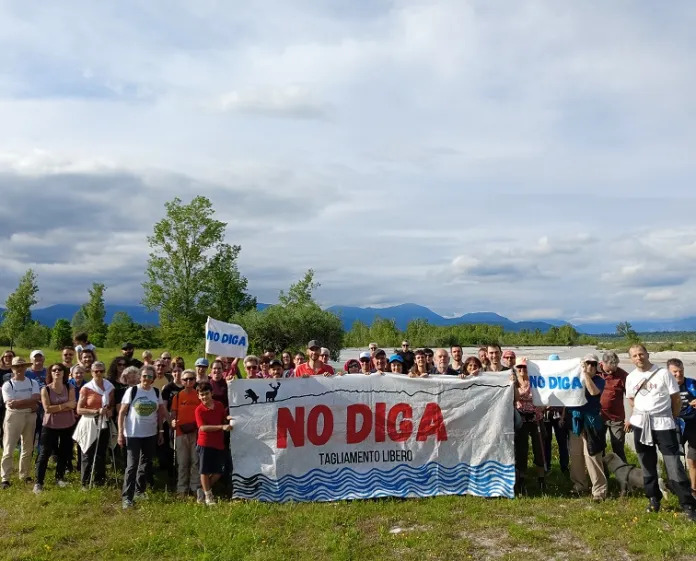
A coalition of NGO’s, including our member CIRF (Italian Centre for River Restoration) and WWF Italy, alongside other partners, supports a contested alternative that would see farmland used as natural flood-expansion areas. Support for this proposal is split between communities living upstream and downstream. Upstream communities are in favour of the farmland alternative, whereas downstream communities – who face greater flood risk – prefer the flood barrier proposal.
Beyond the dispute over a flood barrier, action on other threats is not as notable at an EU level. Water quality is monitored by regional agencies, and gravel mining is regulated on a regional level. Volunteers have come together to help protect at risk species from recreational and tourism threats, but there has been no government action taken to address unauthorised offroad driving or camping in the Tagliamento, and progress toward coordinated, effective management of the Tagliamento’s ecosystem is urgently needed.
Further Reading
DEBATE ON TRAVERSA DI DIGNANO IN THE EU
The Tagliamento, the king of the Alpine rivers, is still in danger – WWF
The Tagliamento is a UNESCO natural world heritage site – Petition